
Rice is one of the most dependable foods in the kitchen, yet it can be surprisingly easy to get wrong. A pot can turn sticky, wet, dry, crunchy, or uneven with only a small mistake in water, heat, or resting time. When cooked well, rice should feel soft and fluffy, with separate grains, gentle steam, and a clean comforting aroma.
The beauty of rice is its flexibility. It can sit beside saucy stir fries, curries, roasted vegetables, grilled fish, baked chicken, beans, soups, stews, and quick lunch bowls. A simple pot of rice can turn leftovers into a meal, stretch a dinner beautifully, or create a calm base for bold flavors.
This recipe focuses on a reliable stovetop method for long grain white rice, using clear measurements, gentle heat, and a proper resting period. The rice is rinsed first to remove extra surface starch, then simmered until the grains absorb the water.
A final rest under the lid helps the steam finish the texture without making the bottom burn. Once the basic method feels familiar, cooking rice becomes less of a guess and more of a simple kitchen rhythm.
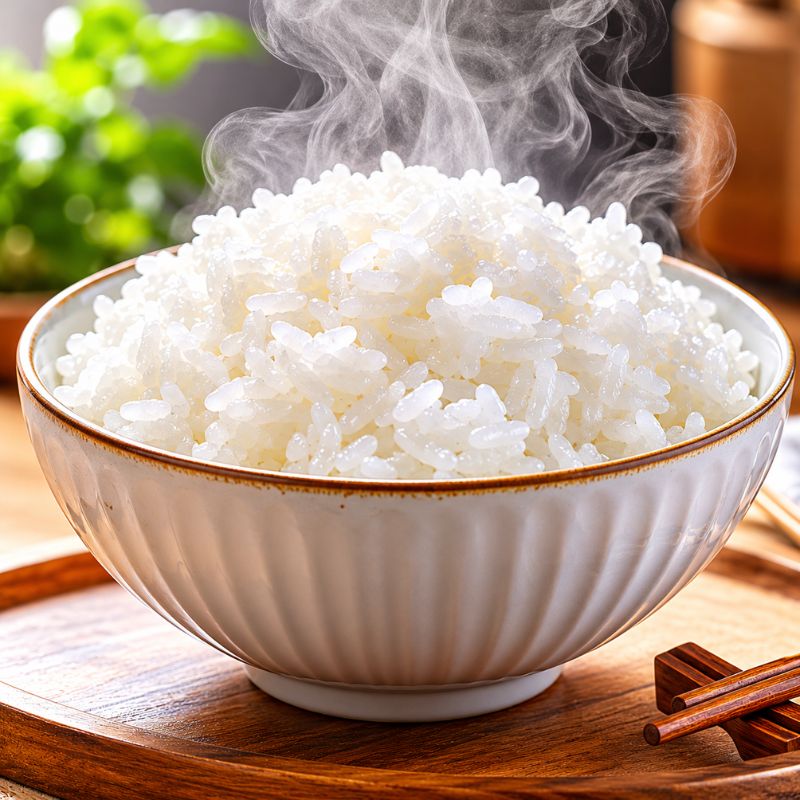
Short Description
This fluffy rice recipe shows how to cook tender, separate grains on the stovetop with simple ingredients and clear timing. It is perfect for everyday dinners, meal prep, bowls, stir fries, curries, and side dishes.
Key Ingredients
- Long grain white rice: 1 cup
- Water: 1¾ cups
- Salt: ½ tsp
- Olive oil or butter: 1 tsp, optional
- Fresh parsley: 1 tbsp, chopped, optional for garnish
- Lemon juice: 1 tsp, optional for a brighter finish
Tools Needed
- Fine mesh strainer
- Medium saucepan with tight fitting lid
- Measuring cups
- Measuring spoons
- Fork
- Wooden spoon
- Clean kitchen towel, optional
Cooking Instructions
Step 1: Measure the Rice
Measure 1 cup long grain white rice. This amount makes about 3 cups cooked rice, enough for 4 side dish servings. Use the same measuring cup for both rice and water so the ratio stays accurate.
Step 2: Rinse the Rice
Place the rice in a fine mesh strainer and rinse under cool running water for 30 to 60 seconds. Gently move the rice with your fingers until the water runs mostly clear. This removes extra surface starch and helps the cooked grains stay lighter and less sticky.
Step 3: Add Rice, Water, and Seasoning
Transfer the rinsed rice to a medium saucepan. Add 1¾ cups water, ½ tsp salt, and 1 tsp olive oil or butter if using. Stir once to spread the salt evenly. The rice should be fully covered by water.
Step 4: Bring to a Gentle Boil
Place the saucepan over medium high heat and bring the water to a gentle boil. This usually takes 3 to 5 minutes. Watch for steady bubbles around the surface. Do not walk away for too long because rice can boil over quickly.
Step 5: Lower the Heat and Cover
Once the water boils, reduce the heat to low and cover the pot with a tight fitting lid. The heat should be low enough to keep a soft simmer, not a loud boil. Cook for 15 minutes without lifting the lid. Keeping the lid closed traps steam, which helps the grains cook evenly.
Step 6: Turn Off the Heat
After 15 minutes, turn off the heat but keep the lid on. Let the rice rest for 10 minutes. This step is just as important as simmering because the trapped steam finishes softening the grains. The rice should smell warm, clean, and gently sweet.
Step 7: Fluff the Rice
Remove the lid and use a fork to gently fluff the rice. Do not stir aggressively, because that can make the grains sticky or mashed. The rice should look tender, separate, and lightly steamy.
Step 8: Taste and Adjust
Taste the rice. If it needs more seasoning, add a tiny pinch of salt and fluff again. For a fresher finish, add 1 tsp lemon juice or 1 tbsp chopped parsley. Serve warm while the grains are soft and fluffy.
Why You’ll Love This Recipe
It uses simple pantry ingredients.
The method is easy for beginners to follow.
Rinsing helps create lighter, fluffier grains.
The resting step prevents gummy or uneven rice.
It works as a side dish, meal prep base, or bowl starter.
The flavor is neutral enough for many cuisines.
It pairs well with vegetables, proteins, sauces, soups, and stews.
The recipe can be adjusted with broth, herbs, butter, or spices.
Mistakes to Avoid & Solutions
Skipping the Rinse
Unrinsed rice often has extra starch on the surface. That starch can make the grains stick together and turn slightly gummy. Rinse the rice until the water runs mostly clear. It does not need to be perfectly clear, but it should look much less cloudy.
Using Too Much Water
Too much water can make rice wet and mushy. For 1 cup long grain white rice, 1¾ cups water gives a reliable stovetop texture. If the rice turns too soft, reduce the water by 2 tbsp next time. If it turns too firm, add 2 tbsp more water next time.
Cooking Over Heat That Is Too High
High heat can burn the bottom while the top stays undercooked. Once the rice reaches a boil, lower the heat immediately. A gentle simmer is enough. If steam is escaping aggressively or the lid is rattling, the heat is too high.
Lifting the Lid Too Often
Every time the lid is lifted, steam escapes. That steam is needed to cook the rice evenly. Keep the lid closed during cooking and resting. Check only after the full cooking and resting time has passed.
Skipping the Resting Time
Rice needs time off the heat to finish steaming. Without resting, the top may feel dry while the bottom feels wet. Let the rice sit covered for 10 minutes after cooking. This helps the moisture settle evenly through the pot.
Stirring Too Hard After Cooking
Freshly cooked rice is delicate. Stirring too hard can break the grains and create a sticky texture. Use a fork and fluff gently. Lift the grains instead of pressing them down.
Using the Same Method for Every Rice Type
Different rice types need different ratios and times. Long grain white rice cooks faster than brown rice. Jasmine rice may need slightly less water. Brown rice usually needs more water and much longer cooking. Adjust the method based on the variety.
Serving and Pairing Suggestions
Fluffy white rice is one of the easiest side dishes to pair with almost any meal. Serve it with stir fried vegetables, teriyaki chicken, baked salmon, grilled shrimp, curry, chili, beans, roasted tofu, saucy meatballs, or garlic butter vegetables. Its mild flavor makes it a perfect base for bold sauces and savory toppings.
For family style meals, serve rice in a warm bowl with a fork or rice paddle so everyone can add what they like. For plated dinners, place a scoop beside protein and vegetables. For buffet style meals, keep rice covered so it stays warm and soft.
Rice also works beautifully in meal prep. Add it to lunch bowls with chicken, chickpeas, roasted sweet potatoes, broccoli, avocado, salsa, yogurt sauce, or sesame dressing. For a simple breakfast, warm rice with a soft egg, green onions, and a little soy sauce.
Drink pairings depend on the meal around the rice. Lemon water, iced tea, cucumber water, sparkling water, ginger tea, and light fruit drinks all work well with rice based meals.
Storage and Reheating Tips
Cooked rice should be cooled and stored properly. Leftovers can be kept in the refrigerator for 3 to 4 days or frozen for 3 to 4 months.
Do not leave cooked rice sitting at room temperature for a long time. Cool it quickly, transfer it to shallow airtight containers, and refrigerate it as soon as possible. If freezing, cool the cooked rice quickly first.
To refrigerate, spread rice in a shallow container so it cools faster, then cover and store. To freeze, portion cooled rice into freezer safe bags or containers. Flattening the bags helps the rice freeze and thaw more quickly.
To reheat rice in the microwave, add 1 to 2 tbsp water per cup of rice, cover loosely, and heat until steaming hot. Stir halfway through for even heating. Leftovers should be reheated to 165°F for safety.
To reheat on the stovetop, place rice in a small saucepan with 1 to 2 tbsp water per cup. Cover and warm over low heat for 3 to 5 minutes, fluffing once it is hot. Add fresh herbs, butter, or a squeeze of lemon after reheating if the rice tastes plain.
FAQs
1. What is the best rice to water ratio?
For long grain white rice on the stovetop, 1 cup rice to 1¾ cups water works well. Some brands and rice varieties may need tiny adjustments. If the rice is too soft, use slightly less water next time. If it is too firm, add a little more.
2. Should rice be rinsed before cooking?
Yes, rinsing is helpful for fluffy rice. It removes extra surface starch that can make grains sticky. Rinse in a fine mesh strainer under cool water until the water runs mostly clear.
3. Why is my rice mushy?
Mushy rice usually comes from too much water, heat that is too low before boiling, or stirring too much after cooking. Use the right ratio, bring the water to a boil first, then lower the heat and keep the lid closed.
4. Why is my rice still hard?
Hard rice usually needs more steam or a little more water. Add 2 tbsp hot water, cover the pot again, and cook on low for 3 to 5 more minutes. Then let it rest for another 5 minutes before fluffing.
5. Can broth be used instead of water?
Yes, broth adds flavor. Use 1¾ cups low sodium chicken broth, vegetable broth, or bone broth in place of water. Taste before adding extra salt because broth can already be salty.
6. How much cooked rice does 1 cup dry rice make?
One cup of dry long grain white rice usually makes about 3 cups cooked rice. This is enough for 4 side dish servings or 2 to 3 larger bowl servings.
7. Can cooked rice be frozen?
Yes, cooked rice freezes well when cooled quickly and stored in freezer safe portions. Frozen leftovers can be kept for 3 to 4 months for best quality.
Tips & Tricks
Rinse the rice for a lighter texture.
Use a tight fitting lid to trap steam.
Do not lift the lid during cooking.
Let the rice rest for 10 minutes before fluffing.
Use a fork instead of a spoon for fluffier grains.
Add butter or olive oil for a softer, richer finish.
Use broth instead of water for extra flavor.
Cool leftovers quickly before refrigerating.
Freeze rice in small portions for easy meal prep.
Recipe Variations
Garlic Butter Rice
Add 1 tbsp butter and 2 minced garlic cloves to the saucepan before adding the rinsed rice. Cook the garlic over medium heat for 30 seconds, then add rice, water, and salt. Cook as directed. The flavor becomes warm, savory, and buttery, perfect with chicken, shrimp, or roasted vegetables.
Lemon Herb Rice
Cook the rice as directed. After fluffing, stir in 1 tbsp lemon juice, 1 tsp lemon zest, and 2 tbsp chopped parsley. The flavor becomes bright, fresh, and lightly citrusy. This version pairs beautifully with salmon, grilled chicken, asparagus, or Mediterranean bowls.
Coconut Rice
Replace the water with 1 cup light coconut milk and ¾ cup water. Add ¼ tsp salt and cook as directed. The rice becomes lightly creamy, fragrant, and subtly sweet. This version tastes wonderful with curries, grilled shrimp, mango salsa, or spicy vegetables.
Cilantro Lime Rice
Cook the rice as directed. After resting, fluff in 1 tbsp lime juice, 1 tsp lime zest, and ¼ cup chopped cilantro. Add a tiny pinch of salt if needed. The flavor becomes zesty, fresh, and perfect for burrito bowls, tacos, black beans, grilled corn, or avocado.
Vegetable Rice
Before adding water, sauté ¼ cup diced carrot, ¼ cup peas, and ¼ cup diced bell pepper in 1 tbsp olive oil for 2 minutes. Add rinsed rice, water, and salt, then cook as directed. The flavor becomes colorful, mild, and family friendly.
Turmeric Rice
Add ½ tsp ground turmeric, ¼ tsp garlic powder, and 1 tsp olive oil to the pot with the rice and water. Cook as directed. The rice turns golden and lightly earthy. Serve it with chickpeas, roasted cauliflower, chicken, fish, or yogurt sauce.
Brown Rice Version
Use 1 cup brown rice, 2¼ cups water, and ½ tsp salt. Simmer covered for 40 to 45 minutes, then rest for 10 minutes. Brown rice has a nuttier flavor and chewier texture. It works well for meal prep, grain bowls, and hearty side dishes.
Conclusion
Rice is simple, but a good pot of rice can make a meal feel complete. The soft steam, tender grains, and clean flavor create a base that welcomes almost anything placed beside it. This recipe keeps the process calm and reliable by focusing on rinsing, measuring, simmering, resting, and fluffing. Each step has a purpose, and together they help prevent the most common rice problems.
The best part is how useful this basic recipe becomes once it is learned. Plain rice can support saucy dinners, quick bowls, soups, curries, stir fries, and meal prep lunches. It can stay simple with salt and butter, or it can turn bright with herbs, lemon, coconut, garlic, or spices.
A dependable rice method saves time and reduces kitchen frustration. It also gives everyday meals a steady, comforting foundation. Once the rhythm is familiar, cooking fluffy rice feels like one of the easiest skills to carry into any home kitchen.
How to Cook Rice

Ingredients
- 1 cup Long grain white rice
- 1¾ cups Water
- ½ tsb Salt
- 1 tsb Olive oil or butter optional
- 1 tbsp Fresh parsley optional for garnish
- 1 tsp Lemon juice optional for a brighter finish
Instructions
- Measure 1 cup long grain white rice. This amount makes about 3 cups cooked rice, enough for 4 side dish servings. Use the same measuring cup for both rice and water so the ratio stays accurate.
- Place the rice in a fine mesh strainer and rinse under cool running water for 30 to 60 seconds. Gently move the rice with your fingers until the water runs mostly clear. This removes extra surface starch and helps the cooked grains stay lighter and less sticky.
- Transfer the rinsed rice to a medium saucepan. Add 1¾ cups water, ½ tsp salt, and 1 tsp olive oil or butter if using. Stir once to spread the salt evenly. The rice should be fully covered by water.
- Place the saucepan over medium high heat and bring the water to a gentle boil. This usually takes 3 to 5 minutes. Watch for steady bubbles around the surface. Do not walk away for too long because rice can boil over quickly.
- Once the water boils, reduce the heat to low and cover the pot with a tight fitting lid. The heat should be low enough to keep a soft simmer, not a loud boil. Cook for 15 minutes without lifting the lid. Keeping the lid closed traps steam, which helps the grains cook evenly.
- After 15 minutes, turn off the heat but keep the lid on. Let the rice rest for 10 minutes. This step is just as important as simmering because the trapped steam finishes softening the grains. The rice should smell warm, clean, and gently sweet.
- Remove the lid and use a fork to gently fluff the rice. Do not stir aggressively, because that can make the grains sticky or mashed. The rice should look tender, separate, and lightly steamy.
- Taste the rice. If it needs more seasoning, add a tiny pinch of salt and fluff again. For a fresher finish, add 1 tsp lemon juice or 1 tbsp chopped parsley. Serve warm while the grains are soft and fluffy.