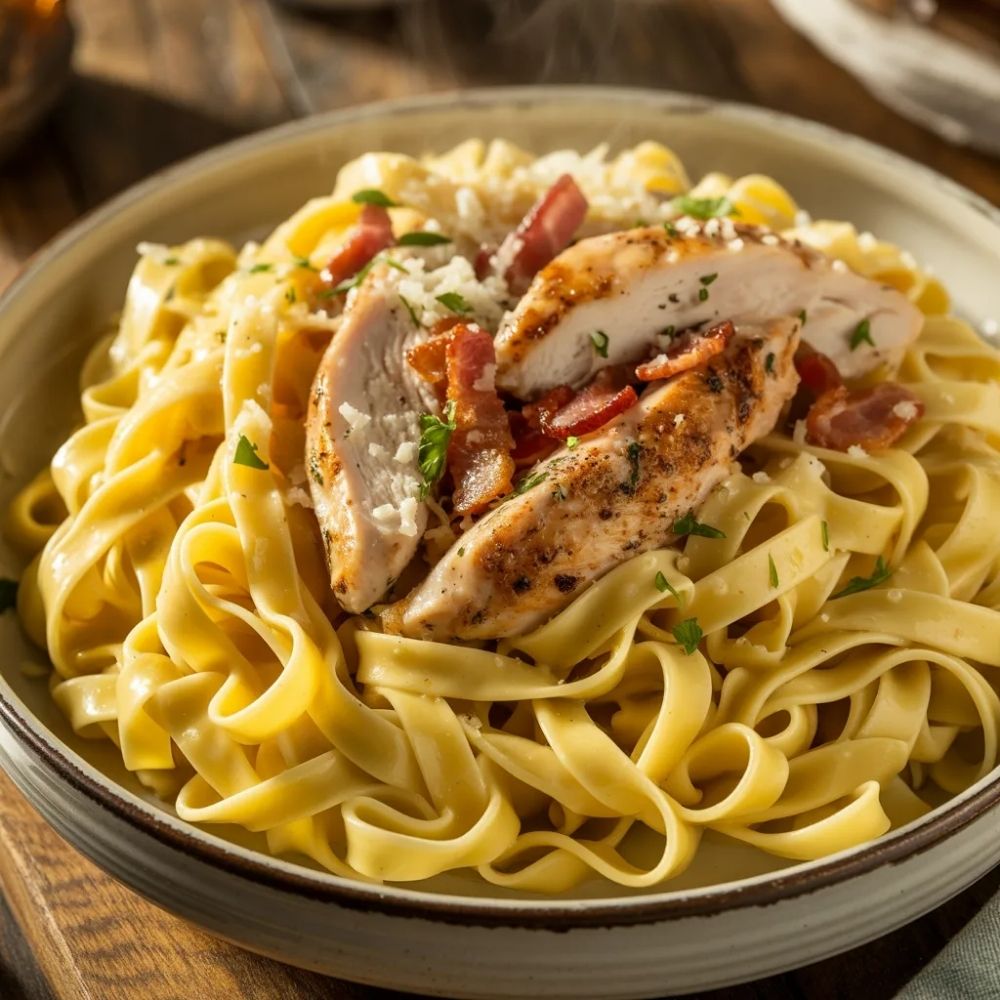
When it comes to minimalist cooking, few dishes offer the immediate comfort and nostalgic satisfaction of a steaming bowl of buttered noodles. It is a culinary baseline found across households worldwide, serving as an easy weeknight savior for busy parents, a gentle meal for sensitive stomachs, or a classic side dish for savory proteins.
While the concept of boiling pasta and tossing it with fat seems simple, there is a distinct difference between a greasy, separated plate of pasta and a restaurant-quality bowl of velvety noodles. Achieving that luxurious, silky coating requires utilizing basic kitchen physics and proper starch management.
This comprehensive guide covers the science of pasta water emulsions, an extraordinary butter noodles recipe, unique global variations, a complete nutritional breakdown, and an essential FAQ section to elevate your simple pasta game.
The Science of the Starch Emulsion
The secret to preventing your melted butter from simply sliding off the pasta and pooling at the bottom of your bowl lies in a physical process called emulsification. Butter is an emulsion consisting of roughly 80% milkfat, 16% water, and 4% milk solids.
When you toss plain melted butter onto dry pasta, the fat molecules repel the remaining surface moisture on the noodles, causing them to separate. To force them to bind together into a cohesive glaze, you must introduce starchy pasta water.
As pasta cooks, it releases amylose and amylopectin starches into the boiling water. This cloudy liquid acts as a natural binding agent. When you vigorously toss a splash of this starchy cooking water with cold butter and hot noodles over low heat, the starches encapsulate the fat droplets, creating a creamy sauce that clings to every single ridge of the pasta.
Required Equipment and Ingredient Selection
To turn a basic bowl of butter and noodles into an exceptional culinary experience, your raw ingredients and kitchen tools must be chosen with intent.
Essential Equipment
-
A Large Stockpot: Gives the pasta plenty of room to circulate, preventing the noodles from sticking together as they release initial starches.
-
A Large Skillet or Sauté Pan: Essential for tossing the finished noodles over heat to build the emulsion.
-
A Stiff Stainless Steel Tongs or Pasta Fork: For lifting and spinning long strands of pasta.
Ingredient Quality Parameters
The Pasta Choice: To prepare classic butter egg noodles, look for wide, wavy egg noodles. Their porous surface area and rich egg-yolk dough are custom-built to grip fats. If you prefer standard Italian cuts, choose bronze-die extruded spaghetti, which features a rough surface texture that grabs sauces effortlessly.
The Butter: Select a high-quality, European-style unsalted butter. European butters undergo a churning process that elevates the total fat content to 82% or higher, resulting in a richer flavor and superior emulsion properties than standard commodity butters.
The Seasoning Matrix: Fine sea salt, freshly cracked tellicherry black pepper, and fresh parmigiano-reggiano cheese if you are building butter noodles with parmesan.
Step-by-Step Master Buttered Noodles Recipe
Follow this traditional stovetop technique to ensure your easy butter noodles are perfectly creamy, glossy, and emulsified every single time.
Ingredients
-
12 Ounces Wide Egg Noodles (or your favorite dry pasta shape)
-
6 Tablespoons Unsalted European Butter: Cut into cold cubes.
-
1/2 Cup Pasta Cooking Water: Reserved right before draining.
-
1/2 Cup Parmigiano-Reggiano Cheese: Finely grated on a microplane.
-
2 Cloves Garlic: Finely minced (optional, for making butter and garlic noodles).
-
Kosher Salt & Fresh Black Pepper to taste.
Step-by-Step Instructions:
Bring a large stockpot filled with 4 quarts of filtered water to a rolling boil over high heat. Add 2 tablespoons of kosher salt to the water. The water should taste moderately salty; this seasons the core of the pasta from the inside out.
Drop your butter egg noodles into the boiling water. Stir immediately for 30 seconds to prevent the starches from gluing the noodles to the bottom of the pot. Cook the pasta until it is al dente (roughly 1 to 2 minutes under the package instructions), leaving it with a slight bite in the center.
The Critical Step: Right before draining the pasta, submerge a heat-proof measuring cup into the pot and scoop out 1 cup of the cloudy, starchy pasta water. Set it aside. Drain the noodles into a colander, but do not rinse them with cold tap water. Rinsing washes away the essential surface starches.
Place your large skillet over medium-low heat. Add 2 tablespoons of your butter and your minced garlic. Sauté for 60 seconds until the garlic is fragrant and pale golden to create a perfect butter garlic noodle base.
Add the drained noodles and the remaining 4 tablespoons of cold, cubed butter directly into the skillet. Pour in 1/4 cup of your reserved starchy pasta water.
Using your tongs, vigorously toss and swirl the noodles across the skillet for 1 to 2 minutes. The mechanical tossing, combined with the heat, forces the cold butter fat and starchy water to link together, building a thick, glossy sauce. If the pan looks dry, add another splash of pasta water.
Remove the skillet from the heat source completely. Sprinkle the grated cheese evenly over the pasta to create beautiful noodles with butter and parmesan. Toss rapidly for 30 seconds until the cheese melts smoothly into the emulsion without clumping. Garnish with black pepper and serve immediately.
Creative Global Adaptations: The Peanut Butter Shift
If you want to transition your standard dinner into a bold, savory, and nutty dish, the intersection of noodle peanut butter combinations offers incredible depth. Utilizing peanut butter ramen mechanics is a popular global comfort staple across Asian culinary cultures.
How to Make Savory Peanut Butter Ramen Noodles
To transform a packet of instant ramen into a rich peanut butter ramen experience:
Boil your favorite instant ramen noodles in plain water for 3 minutes, discard the water, and place the hot noodles in a bowl.
In a separate small measuring cup, prepare a quick noodle peanut butter sauce by whisking together 2 tablespoons of smooth peanut butter, 1 tablespoon of soy sauce, 1 teaspoon of toasted sesame oil, 1 teaspoon of honey, and 2 tablespoons of boiling water to thin the mixture out.
Pour the hot peanut butter sauce directly over the warm ramen strands. Toss thoroughly until the noodles absorb the liquid, creating a rich peanut butter noodle recipe that mimics classic peanut butter noodles thai street food dishes. Top with chopped scallions and crushed peanuts for an excellent alternative to standard spaghetti peanut butter combinations.
Flavor Profile and Modification Parameter Chart
Use this quick-reference parameter table to customize your noodles buttered noodles recipe based on your target ingredients or your family’s flavor preferences.
| Recipe Variant Designation | Primary Pasta Type | Core Fat Component | Aromatics & Extras | Target Use Case | |
| Traditional Comfort Style | Wide Egg Noodles | Unsalted European Butter | Sea Salt & Black Pepper | Quick side dish for chicken or stew | |
| Garlic Butter Seafood | Spaghetti or Linguine | Butter & Olive Oil | Minced Garlic & Grilled Shrimp | Hearty stovetop dinner main | |
| Savory Asian Fusion | Instant Ramen Noodles | Creamy Peanut Butter | Soy Sauce, Chili Oil, Sesame | Late-night quick comfort meal | |
| Bright Zesty Twist | Angel Hair Pasta | Unsalted Butter | Lemon Juice, Zest, Parsley | Seafood pairing or summer pasta |
Nutritional Breakdown
A classic plate of home-cooked butter egg noodles provides an immediate, easily digestible source of carbohydrates, clean fats, and essential proteins. A standard 2-cup serving of prepared buttered noodles contains approximately the following values:
-
Total Energy Output: 380 Calories (kcal)
-
Total Carbohydrates: 44 grams
-
Dietary Fiber: 2.5 grams
-
Sugars: 1 gram
-
-
Protein Content: 9 grams (derived naturally from the egg yolk wheat dough matrix)
-
Total Lipid Fat: 18 grams
-
Saturated Fat: 11 grams (derived from pure dairy fats)
-
Monounsaturated Fat: 5 grams
-
-
Cholesterol Matrix: 65 mg
-
Sodium Matrix: 320 mg (highly adjustable depending on how heavily you salt your cooking water)
-
Key Micronutrients: Moderate concentrations of Iron, Folate, Vitamin A, Calcium, and B-vitamins.
Frequently Asked Questions (FAQ)
Why is the butter separating and pooling as oil at the bottom of my pasta bowl?
Separation happens when you miss the emulsification stage. If you simply melt butter over dry, drained pasta, the fat lacks a binding agent and will slide straight off the noodles. To achieve the best butter noodles consistency, you must always reserve a splash of your starchy pasta cooking water and toss it vigorously with the noodles and cold butter cubes over low heat in a skillet. The starches act as a natural bridge that permanently links the fat to the pasta.
Should I use salted or unsalted butter for a good butter noodles recipe?
It is highly recommended to use unsalted butter. Different dairy brands add wildly varying amounts of salt to their salted butter sticks, making it incredibly easy to accidentally over-season your food. Using unsalted butter grants you complete culinary control over the final flavor profile, letting you adjust the salt levels manually at the very end of cooking.
Can I make a high-protein version like garlic butter noodles with shrimp?
Yes, this baseline method serves as an exceptional foundation for quick proteins. To create an excellent garlic butter noodles with shrimp, sauté your peeled raw shrimp in a skillet with 1 tablespoon of butter and minced garlic for 2 minutes per side until pink and opaque.
Remove the shrimp from the pan, build your standard buttered noodles emulsion directly in that same garlic-infused skillet using your pasta water, and fold the cooked shrimp back into the glossy sauce right before serving.
What is the best way to reheat leftover buttered noodles without them turning greasy?
Microwaving leftover pasta at full power will melt the dairy emulsion, causing the butter to separate into a greasy, oily layer. To reheat your noodles properly, place them back into a small skillet over low heat on your stovetop. Add 1 tablespoon of fresh water or milk to the pan. Toss continuously as it heats up; the fresh liquid will re-bind the cold starches and fats, restoring a creamy, uniform sauce.
Is it safe to mix peanut butter and ramen together for a quick snack?
Yes, blending peanut butter and ramen is a perfectly safe, highly popular culinary shortcut utilized worldwide. It is an excellent way to add healthy fats and vegetable-based proteins to a standard package of processed instant noodles. For the best flavor profile, choose a smooth, creamy peanut butter rather than a crunchy variety, and make sure to thin it out with a splash of boiling water so it coats the ramen strands evenly.
Buttered Noodles
Print ThisIngredients
- 12 Ounces Wide Egg Noodles (or your favorite dry pasta shape)
- 6 Tablespoons Unsalted European Butter: Cut into cold cubes.
- 1/2 Cup Pasta Cooking Water: Reserved right before draining.
- 1/2 Cup Parmigiano-Reggiano Cheese: Finely grated on a microplane.
- 2 Cloves Garlic: Finely minced (optional, for making butter and garlic noodles).
- Kosher Salt & Fresh Black Pepper to taste.
Instructions
Bring a large stockpot filled with 4 quarts of filtered water to a rolling boil over high heat. Add 2 tablespoons of kosher salt to the water.
Drop your butter egg noodles into the boiling water. Stir immediately for 30 seconds to prevent the starches from gluing the noodles to the bottom of the pot. Cook the pasta until it is al dente (roughly 1 to 2 minutes under the package instructions), leaving it with a slight bite in the center.
Right before draining the pasta, submerge a heat-proof measuring cup into the pot and scoop out 1 cup of the cloudy, starchy pasta water. Set it aside. Drain the noodles into a colander, but do not rinse them with cold tap water.
Place your large skillet over medium-low heat. Add 2 tablespoons of your butter and your minced garlic. Sauté for 60 seconds until the garlic is fragrant and pale golden to create a perfect butter garlic noodle base.
Add the drained noodles and the remaining 4 tablespoons of cold, cubed butter directly into the skillet. Pour in 1/4 cup of your reserved starchy pasta water.
Using your tongs, vigorously toss and swirl the noodles across the skillet for 1 to 2 minutes.
Remove the skillet from the heat source completely. Sprinkle the grated cheese evenly over the pasta to create beautiful noodles with butter and parmesan. Toss rapidly for 30 seconds until the cheese melts smoothly into the emulsion without clumping. Garnish with black pepper and serve immediately.