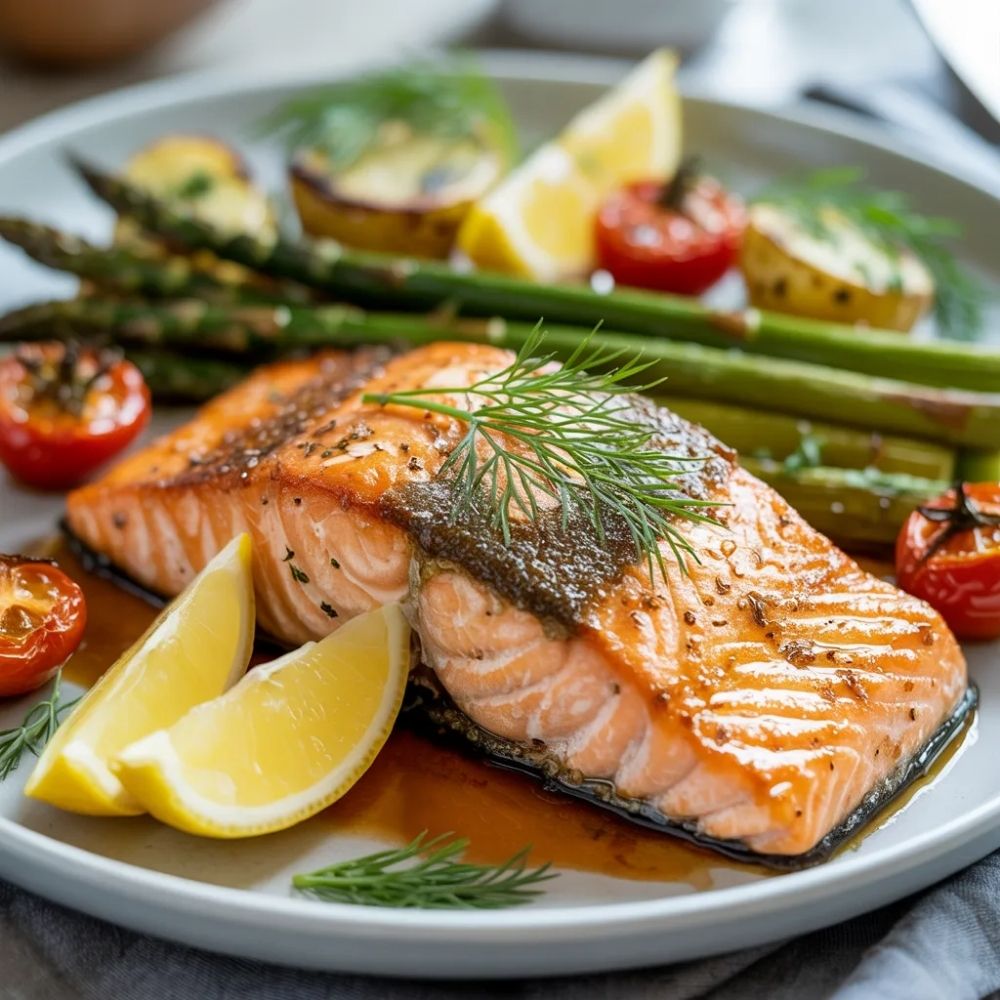
Baked salmon is one of those meals that feels elegant without asking for much effort. A few salmon fillets, olive oil, lemon, garlic, herbs, and a hot oven can turn into a tender, flaky dinner with bright flavor and very little cleanup. The fish cooks quickly, smells fresh and savory, and fits beautifully into both simple weeknight meals and more polished dinner plates.
The main challenge with salmon is timing. It can go from moist and silky to dry and firm faster than many home cooks expect. That is why oven temperature, fillet thickness, and checking for doneness matter so much. A good baked salmon should flake gently with a fork, look opaque on the outside, and stay juicy in the thickest part.
This recipe keeps the method clear and reliable. The salmon is seasoned with garlic, lemon, olive oil, salt, pepper, and a touch of herbs, then baked until tender and fragrant. It pairs easily with roasted vegetables, rice, potatoes, salads, asparagus, or pasta. For food safety, fish should reach 145°F according to USDA guidance.
Short Description
This tender baked salmon recipe uses lemon, garlic, olive oil, and simple herbs for a quick, healthy, flavorful dinner. The salmon bakes until flaky, moist, and perfect for weeknight meals, meal prep, or fresh family dinners.
Key Ingredients
- Salmon fillets: 4 fillets, about 6 oz each
- Olive oil: 2 tbsp
- Fresh lemon juice: 2 tbsp
- Lemon zest: 1 tsp
- Garlic: 3 cloves, minced
- Dijon mustard: 1 tsp, optional
- Salt: ¾ tsp
- Black pepper: ¼ tsp
- Paprika: ½ tsp
- Dried parsley or dill: 1 tsp
- Fresh parsley: 1 tbsp, chopped, optional for garnish
- Lemon slices: 4 slices, optional for topping
Tools Needed
- Baking sheet or baking dish
- Parchment paper or aluminum foil
- Small mixing bowl
- Whisk or fork
- Measuring spoons
- Zester or microplane
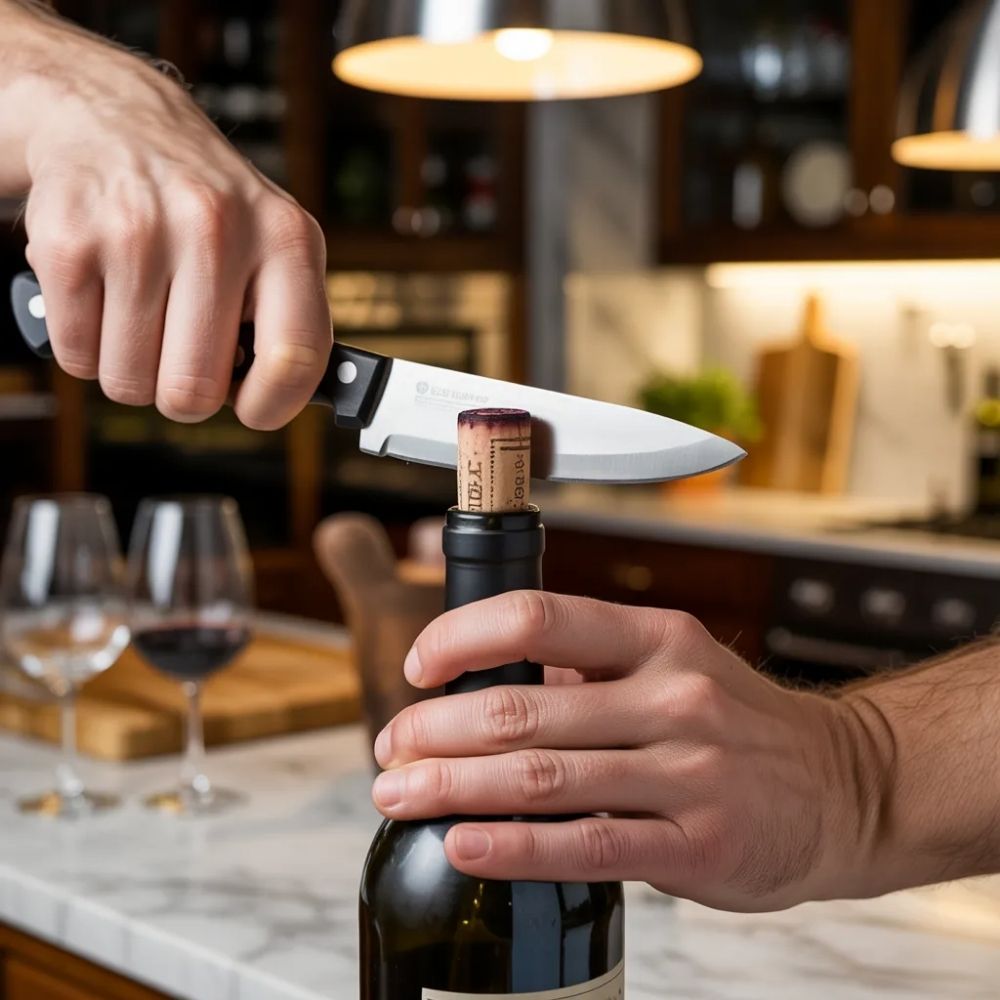
- Sharp knife
- Instant read thermometer
- Tongs or spatula
Cooking Instructions
Step 1: Preheat the Oven
Preheat the oven to 400°F. Line a baking sheet or baking dish with parchment paper or foil for easier cleanup. A 400°F oven cooks salmon quickly while keeping the inside moist and tender.
Step 2: Prepare the Salmon
Pat 4 salmon fillets dry with paper towels. This helps the seasoning stick and keeps the surface from becoming watery. Place the salmon skin side down on the prepared baking sheet, leaving a little space between each fillet.
Step 3: Make the Lemon Garlic Mixture
In a small bowl, whisk together 2 tbsp olive oil, 2 tbsp fresh lemon juice, 1 tsp lemon zest, 3 minced garlic cloves, 1 tsp Dijon mustard if using, ¾ tsp salt, ¼ tsp black pepper, ½ tsp paprika, and 1 tsp dried parsley or dill. The mixture should smell bright, garlicky, and lightly herbal.
Step 4: Season the Salmon
Spoon the lemon garlic mixture evenly over the salmon fillets. Use the back of the spoon to spread it across the top and sides. Add 1 lemon slice on top of each fillet if desired. The salmon should look glossy and lightly coated, not swimming in liquid.
Step 5: Bake the Salmon
Bake at 400°F for 10 to 14 minutes, depending on thickness. Thin fillets may be ready around 10 minutes, while thicker fillets may need 13 to 14 minutes. The salmon should look opaque around the edges and should flake gently with a fork.
Step 6: Check for Doneness
Use an instant read thermometer in the thickest part of the fillet. The safe minimum internal temperature for fish is 145°F, or the flesh should be opaque and separate easily with a fork. For a softer, more tender texture, many cooks remove salmon earlier and let carryover heat finish the cooking, but 145°F is the official safety guideline.
Step 7: Rest Briefly
Remove the salmon from the oven and let it rest for 3 minutes. This short rest helps the juices settle and allows the texture to become more even. The salmon should look moist, flaky, and gently glossy.
Step 8: Garnish and Serve
Sprinkle with 1 tbsp chopped fresh parsley if desired. Add extra lemon juice just before serving for a brighter finish. Serve warm with vegetables, grains, potatoes, or salad.
Why You’ll Love This Recipe
It cooks quickly and works well for busy weeknights.
The lemon garlic flavor tastes fresh, bright, and savory.
The recipe uses simple ingredients that are easy to find.
It is naturally high in protein and pairs well with vegetables and whole grains.
The method works for individual fillets or a larger salmon side.
The oven does most of the work with very little cleanup.
It can be served for family dinners, meal prep, or casual entertaining.
The seasoning can be adjusted with herbs, spices, mustard, honey, or butter.
Mistakes to Avoid & Solutions
Overbaking the Salmon
Salmon can dry out quickly if it stays in the oven too long. Start checking at 10 minutes, especially for thinner fillets. Use a thermometer for accuracy. If the salmon is already flaking and looks opaque, remove it and let it rest.
Skipping the Pat Dry Step
Wet salmon can steam instead of bake nicely. Pat the fillets dry before adding seasoning. This helps the oil, lemon, garlic, and spices cling to the surface and gives the finished fish a better texture.
Using Too Much Lemon Juice Before Baking
Lemon adds brightness, but too much acidic juice can start to firm the surface of the fish before it cooks. Use the measured amount in the recipe, then add extra lemon after baking if more freshness is desired.
Baking Uneven Fillets Together
Very thin and very thick fillets do not cook at the same speed. If possible, choose fillets of similar thickness. If the pieces are uneven, remove thinner fillets first and let thicker ones bake a few minutes longer.
Forgetting to Check the Thickest Part
The edges of salmon cook faster than the center. Check the thickest part for doneness because that area takes the longest. A thermometer gives the most reliable result.
Adding Garlic in Large Pieces
Large garlic chunks can taste sharp or burn on top of the salmon. Mince the garlic finely so it softens quickly and spreads evenly through the lemon oil mixture.
Serving Without Resting
Cutting into salmon immediately can make the juices run out. A 3 minute rest helps the fish stay moist and makes the flakes softer and more delicate.
Serving and Pairing Suggestions
Baked salmon pairs beautifully with roasted asparagus, green beans, broccoli, carrots, Brussels sprouts, or zucchini. It also works well with rice pilaf, quinoa, couscous, mashed potatoes, roasted baby potatoes, or buttered noodles. The lemon garlic flavor keeps the meal fresh and balanced.
For a family style meal, serve the salmon on a platter with lemon wedges, herbs, and roasted vegetables around it. For a plated dinner, place one fillet beside a grain and a colorful vegetable. For a lighter lunch, flake the salmon over a salad with cucumber, avocado, cherry tomatoes, and a lemon vinaigrette.
Baked salmon can also be tucked into wraps, rice bowls, pasta, tacos, or meal prep containers. For drinks, try sparkling lemon water, iced green tea, cucumber mint water, or a crisp white wine for adults.
Storage and Reheating Tips
Let cooked salmon cool before storing, but do not leave it at room temperature for more than 2 hours. Place leftovers in an airtight container and refrigerate for up to 3 days. Store lemon wedges and fresh herbs separately so the salmon does not become too wet.
For freezing, wrap cooled salmon tightly and place it in a freezer safe container. Freeze for up to 2 months. Thaw overnight in the refrigerator before reheating.
To reheat, use gentle heat so the salmon does not dry out. Place it in a baking dish, add 1 tsp water or olive oil, cover loosely with foil, and warm at 275°F for 10 to 15 minutes. A microwave can be used for quick reheating, but heat in short 20 second intervals at medium power. Leftover cooked foods should be reheated to 165°F for safety.
FAQs
1. How long does salmon take to bake?
At 400°F, salmon fillets usually take 10 to 14 minutes. The exact time depends on thickness. Thin fillets cook faster, while thick center cut fillets need a few extra minutes.
2. What temperature should baked salmon reach?
The safe minimum internal temperature for fish is 145°F. The flesh should also be opaque and separate easily with a fork.
3. Should salmon be baked covered or uncovered?
For this recipe, bake it uncovered so the seasoning stays bright and the surface cooks gently. If the fillets are very thick or the oven runs hot, loosely covering with foil can help protect the top from drying.
4. Can frozen salmon be baked?
Yes, but thawed salmon cooks more evenly. For best texture, thaw frozen salmon overnight in the refrigerator, pat it dry, then season and bake. If baking directly from frozen, the cooking time will be longer and the seasoning may not stick as well.
5. How do you keep salmon moist in the oven?
Use olive oil, avoid overbaking, and check early. A short resting time also helps. Baking at 400°F gives a nice balance because the salmon cooks quickly without sitting in the oven too long.
6. Can this recipe be made with one large salmon fillet?
Yes. Use about 1½ to 2 lb salmon and spread the seasoning evenly over the top. Bake at 400°F for 15 to 20 minutes, depending on thickness. Check the thickest part for doneness.
7. What herbs taste best with salmon?
Dill, parsley, chives, thyme, basil, and tarragon all pair well with salmon. Dill gives a classic fresh flavor, parsley tastes clean and mild, and thyme adds a more earthy note.
Tips & Tricks
Pat salmon dry before seasoning.
Use fillets of similar thickness for even cooking.
Bake skin side down for better structure.
Do not overdo the lemon juice before baking.
Start checking for doneness early.
Use a thermometer for the most reliable result.
Let salmon rest for 3 minutes before serving.
Add fresh herbs after baking for brighter color.
Use parchment paper for easy cleanup.
Recipe Variations
Honey Garlic Baked Salmon
Add 1 tbsp honey to the lemon garlic mixture and reduce the lemon juice to 1½ tbsp. Bake as directed. The flavor becomes sweet, savory, and lightly sticky. This version pairs well with rice, broccoli, carrots, or snap peas.
Dill Lemon Baked Salmon
Replace dried parsley with 1 tsp dried dill or 1 tbsp fresh chopped dill. Add extra lemon zest after baking. The flavor becomes fresh, classic, and bright. This variation is especially good with potatoes, cucumber salad, or asparagus.
Spicy Paprika Salmon
Increase paprika to 1 tsp and add ¼ tsp cayenne pepper or red pepper flakes. Bake as directed. The flavor becomes warm, smoky, and gently spicy. Serve with rice bowls, roasted corn, avocado, or a crisp cabbage slaw.
Butter Garlic Salmon
Replace 2 tbsp olive oil with 2 tbsp melted unsalted butter. Keep the garlic, lemon, salt, pepper, and herbs the same. The salmon becomes richer and more buttery, with a cozy restaurant style flavor. This version is lovely with mashed potatoes or pasta.
Maple Mustard Salmon
Use 1 tbsp maple syrup, 1 tbsp Dijon mustard, 1 tbsp olive oil, 1 tbsp lemon juice, ½ tsp salt, and ¼ tsp black pepper. Brush over the salmon and bake as directed. The flavor is sweet, tangy, and smooth, perfect with roasted Brussels sprouts or sweet potatoes.
Mediterranean Baked Salmon
Add ½ tsp dried oregano to the seasoning mixture. After baking, top with ¼ cup diced cucumber, ¼ cup chopped tomato, 2 tbsp crumbled feta, and 1 tsp lemon juice. The flavor becomes fresh, salty, bright, and colorful.
Pesto Baked Salmon
Skip the garlic lemon mixture and spread 1 tbsp basil pesto over each salmon fillet. Bake at 400°F for 10 to 14 minutes. Finish with lemon juice. The flavor is herby, rich, and savory, perfect with pasta, roasted vegetables, or a simple salad.
Conclusion
Baked salmon is a recipe that makes healthy home cooking feel calm, flavorful, and realistic. It does not need complicated preparation to taste special. A little lemon, garlic, olive oil, and seasoning can bring out the natural richness of the fish while keeping the meal fresh and balanced. The quick cooking time makes it useful for busy evenings, but the finished plate still feels thoughtful enough for guests.
This recipe also gives home cooks confidence because the cues are simple. The salmon should look opaque, flake gently, and stay moist in the center. A thermometer can remove the guesswork, especially when fillets vary in thickness.
The leftovers are useful too, turning into salads, bowls, wraps, or quick lunches the next day. Once the timing becomes familiar, baked salmon becomes one of the easiest proteins to prepare well. It is tender, bright, nourishing, and flexible enough to fit into many everyday meals.
Lemon Garlic Baked Salmon

Ingredients
- 4 Salmon fillets about 6 oz each
- 2 tbsp Olive oil
- 2 tbsp Fresh lemon juice
- 1 tsp Lemon zest
- 3 cloves Garlic
- 1 tbsp Dijon mustard optional
- ¾ tsp Salt
- ¼ tsp Black pepper
- ½ tsp Paprika
- 1 tsp Dried parsley or dill
- 1 tsp Fresh parsley chopped, optional for garnish
- 4 slices Lemon slices optional for topping
Instructions
- Preheat the oven to 400°F. Line a baking sheet or baking dish with parchment paper or foil for easier cleanup. A 400°F oven cooks salmon quickly while keeping the inside moist and tender.
- Pat 4 salmon fillets dry with paper towels. This helps the seasoning stick and keeps the surface from becoming watery. Place the salmon skin side down on the prepared baking sheet, leaving a little space between each fillet.
- In a small bowl, whisk together 2 tbsp olive oil, 2 tbsp fresh lemon juice, 1 tsp lemon zest, 3 minced garlic cloves, 1 tsp Dijon mustard if using, ¾ tsp salt, ¼ tsp black pepper, ½ tsp paprika, and 1 tsp dried parsley or dill. The mixture should smell bright, garlicky, and lightly herbal.
- Spoon the lemon garlic mixture evenly over the salmon fillets. Use the back of the spoon to spread it across the top and sides. Add 1 lemon slice on top of each fillet if desired. The salmon should look glossy and lightly coated, not swimming in liquid.
- Bake at 400°F for 10 to 14 minutes, depending on thickness. Thin fillets may be ready around 10 minutes, while thicker fillets may need 13 to 14 minutes. The salmon should look opaque around the edges and should flake gently with a fork.
- Use an instant read thermometer in the thickest part of the fillet. The USDA safe minimum internal temperature for fish is 145°F, or the flesh should be opaque and separate easily with a fork. For a softer, more tender texture, many cooks remove salmon earlier and let carryover heat finish the cooking, but 145°F is the official safety guideline.
- Remove the salmon from the oven and let it rest for 3 minutes. This short rest helps the juices settle and allows the texture to become more even. The salmon should look moist, flaky, and gently glossy.
- Sprinkle with 1 tbsp chopped fresh parsley if desired. Add extra lemon juice just before serving for a brighter finish. Serve warm with vegetables, grains, potatoes, or salad.