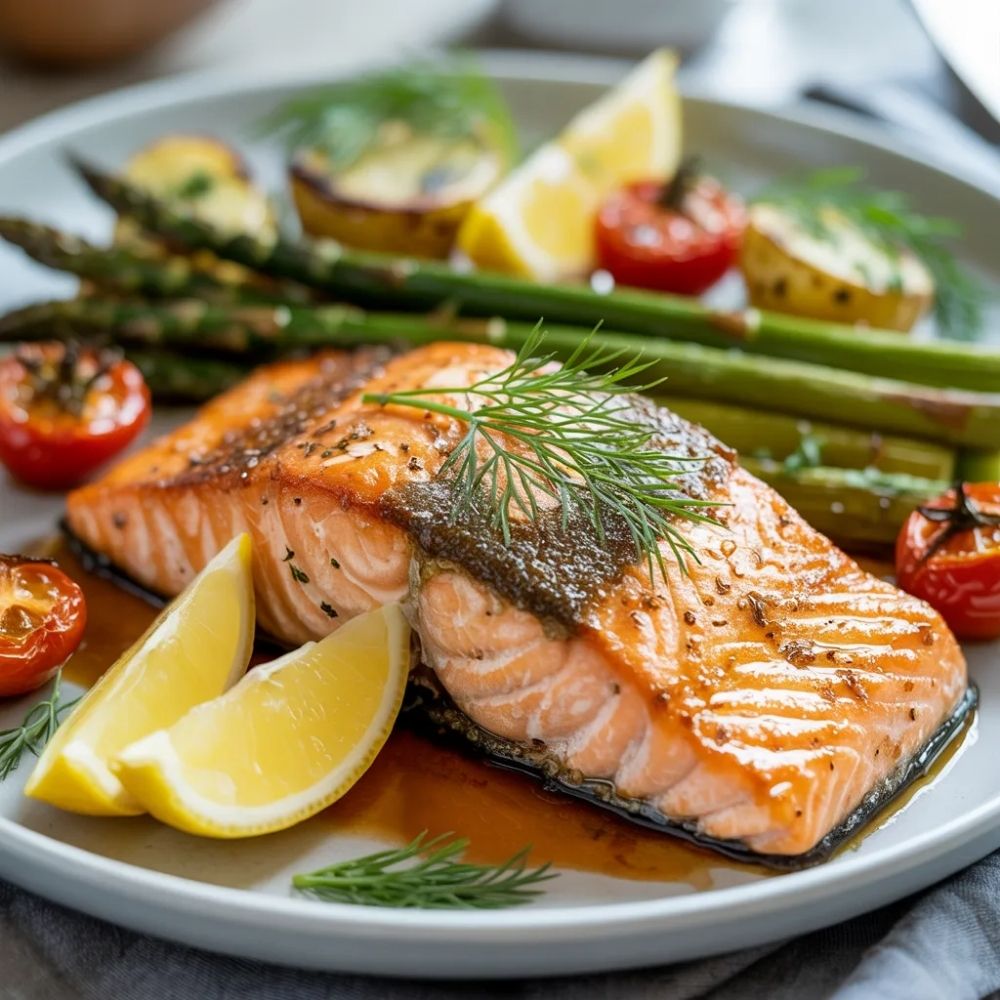
Asparagus has a bright, clean flavor that can make a plate feel fresher in minutes. The spears cook quickly, look beautiful on the table, and pair well with almost anything, including chicken, salmon, pasta, eggs, steak, rice bowls, and simple vegetarian meals. When cooked well, asparagus should taste lightly sweet, a little grassy, and savory around the edges, with tender stalks and crisp tips.
The tricky part is timing. Asparagus can go from perfectly tender to limp and dull very quickly. Thin spears may need only a few minutes, while thicker spears need a little more time to soften. The best method keeps things simple: trim the woody ends, coat the spears lightly with oil, season them well, and roast them at high heat until the tips are slightly crisp.
This recipe gives asparagus a golden, flavorful finish without hiding its natural freshness. Olive oil helps the spears roast evenly, garlic adds warmth, lemon brings brightness, and Parmesan adds a salty finish if desired. It is quick enough for weeknight dinners, pretty enough for a holiday table, and flexible enough to serve warm, room temperature, or chilled in salads. Once this method becomes familiar, asparagus becomes one of the easiest vegetables to cook with confidence.
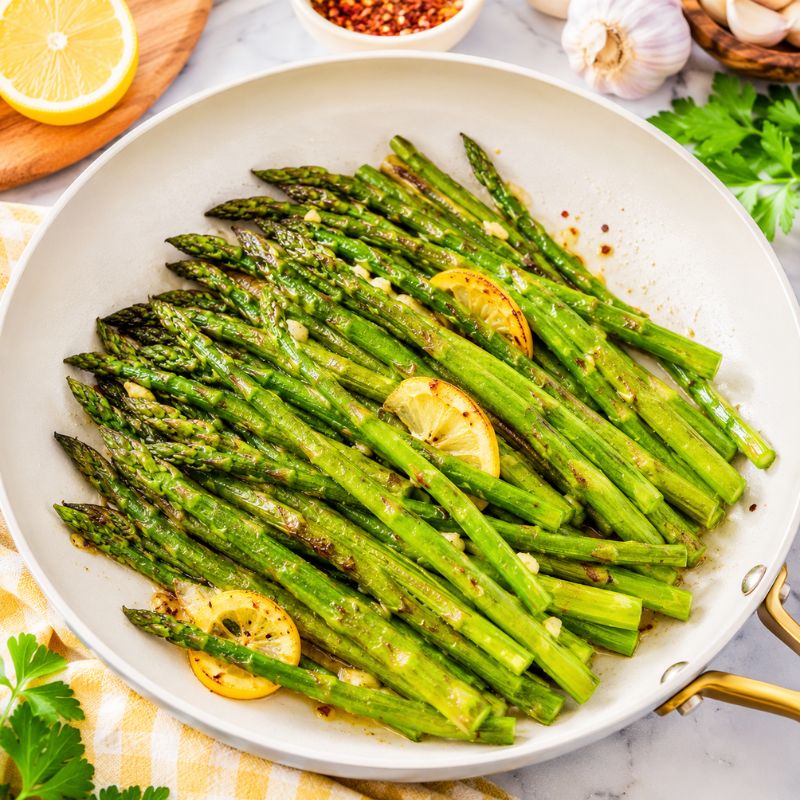
Short Description
This roasted asparagus recipe makes crisp tender asparagus with olive oil, garlic, lemon, and simple seasoning. It is a quick, healthy side dish for weeknight dinners, brunch plates, holiday meals, and fresh vegetable bowls.
Key Ingredients
- Fresh asparagus: 1 lb
- Olive oil: 1½ tbsp
- Garlic: 2 cloves, minced
- Salt: ½ tsp
- Black pepper: ¼ tsp
- Fresh lemon juice: 1 tbsp
- Lemon zest: ½ tsp, optional
- Grated Parmesan cheese: ¼ cup, optional
- Red pepper flakes: ⅛ tsp, optional
- Fresh parsley: 1 tbsp, chopped, optional for garnish
Tools Needed
- Baking sheet
- Parchment paper
- Cutting board
- Sharp knife
- Large mixing bowl
- Measuring spoons
- Tongs
- Microplane or zester, optional
- Serving platter
Cooking Instructions
Step 1: Preheat the Oven
Preheat the oven to 425°F. Line a baking sheet with parchment paper for easier cleanup. High heat helps the asparagus roast quickly, keeping the stalks tender while giving the tips a lightly crisp finish.
Step 2: Wash and Dry the Asparagus
Rinse 1 lb fresh asparagus under cool running water. Pat the spears very dry with a clean kitchen towel or paper towel. Dry asparagus roasts better because extra water can make it steam instead of caramelize.
Step 3: Trim the Woody Ends
Place the asparagus on a cutting board and trim about 1 to 2 inches from the bottom ends. The ends are often tough and fibrous. Another option is to gently bend one spear until it naturally snaps, then use that as a guide for trimming the rest of the bunch.
Step 4: Season the Spears
Place the trimmed asparagus in a large mixing bowl. Add 1½ tbsp olive oil, 2 minced garlic cloves, ½ tsp salt, ¼ tsp black pepper, and ⅛ tsp red pepper flakes if using. Toss well with tongs until each spear is lightly coated. The asparagus should look glossy, not oily.
Step 5: Arrange on the Baking Sheet
Spread the asparagus in a single layer on the prepared baking sheet. Leave a little space between the spears so hot air can move around them. If the spears are crowded, they may steam and turn soft instead of roasting properly.
Step 6: Roast Until Crisp Tender
Roast at 425°F for 8 to 12 minutes, depending on thickness. Thin asparagus may be ready in 7 to 8 minutes. Medium spears usually need 9 to 10 minutes. Thick spears may need 11 to 12 minutes. The asparagus should look bright green, the tips should be lightly browned, and a fork should slide into the stalk with gentle resistance.
Step 7: Add Lemon and Parmesan
Remove the baking sheet from the oven. Drizzle the asparagus with 1 tbsp fresh lemon juice and sprinkle with ½ tsp lemon zest if using. Add ¼ cup grated Parmesan while the asparagus is still hot so it softens slightly. The lemon should smell fresh and bright, while the Parmesan adds a salty, savory finish.
Step 8: Taste and Serve
Taste one spear and adjust with a small pinch of salt or black pepper if needed. Transfer the asparagus to a serving platter and sprinkle with 1 tbsp chopped parsley if desired. Serve warm for the best crisp tender texture.
Why You’ll Love This Recipe
It cooks quickly and needs only a few simple ingredients.
The asparagus stays crisp tender instead of mushy.
Lemon adds brightness without overpowering the vegetable.
Garlic and Parmesan give the dish a savory, restaurant style flavor.
It works with many main dishes, including chicken, fish, steak, eggs, pasta, and rice.
The recipe is naturally vegetable forward and easy to keep light.
It can be served for weeknight meals, brunch, holidays, and meal prep.
The method is easy to adjust for thin or thick asparagus.
Mistakes to Avoid & Solutions
Skipping the Drying Step
Wet asparagus can steam in the oven instead of roast. This makes the stalks softer and less flavorful. After rinsing, pat the spears dry very well with a clean towel. The drier the surface, the better the roasted edges.
Not Trimming Enough
The bottom ends of asparagus can be tough and woody. If they are not trimmed, the final dish may have chewy pieces. Trim 1 to 2 inches from the bottom, or use the snap method to find where the tender part begins.
Crowding the Baking Sheet
Asparagus needs space to roast. If the spears overlap too much, they release moisture and become limp. Use a large baking sheet and spread them in a single layer. If making a double batch, use two baking sheets.
Using Too Much Oil
A little oil helps asparagus roast, but too much can make it greasy. Start with 1½ tbsp olive oil for 1 lb asparagus. The spears should look lightly glossy. If oil pools on the pan before roasting, use a paper towel to blot the excess.
Overcooking the Spears
Asparagus cooks quickly, especially thin spears. Overcooked asparagus becomes limp, dull green, and sometimes stringy. Start checking early. Pull it out when it is bright green and fork tender with a little bite.
Adding Lemon Too Early
Lemon juice can taste slightly bitter if roasted too long at high heat. Add lemon juice after the asparagus comes out of the oven. This keeps the flavor fresh, bright, and clean.
Using Old Asparagus
Fresh asparagus should have firm stalks and tight tips. If the tips look slimy or the stalks feel limp, the texture will not be as good. For best results, choose asparagus with bright color, closed tips, and ends that are not overly dry.
Serving and Pairing Suggestions
Roasted asparagus is a beautiful side dish for grilled chicken, roasted salmon, steak, turkey, pork tenderloin, shrimp, tofu, or baked cod. Its fresh flavor balances rich proteins and creamy sauces. It also pairs well with roasted potatoes, rice pilaf, quinoa, couscous, pasta, and warm grain bowls.
For brunch, serve asparagus with scrambled eggs, poached eggs, omelets, frittatas, or avocado toast. The lemony roasted flavor adds freshness to rich egg dishes. For a light lunch, place the asparagus over salad greens with chickpeas, feta, cucumber, and a lemon vinaigrette.
For family style serving, arrange the asparagus on a long platter and finish with lemon zest, Parmesan, and parsley. For a plated dinner, place a small bundle beside the main dish and spoon any pan juices over the top. For a buffet style meal, serve it warm or at room temperature with lemon wedges nearby.
Drink pairings can stay crisp and refreshing. Try sparkling lemon water, iced green tea, cucumber mint water, or a light white wine for adults. These drinks match the fresh, clean flavor of asparagus.
Storage and Reheating Tips
Let roasted asparagus cool before storing, but do not leave it at room temperature for more than 2 hours. Place leftovers in an airtight container and refrigerate for up to 3 days. Store lemon wedges or fresh toppings separately so the asparagus does not become too wet.
To reheat in the oven, place asparagus on a baking sheet and warm at 350°F for 5 to 7 minutes. This helps revive the tips without making the stalks too soft. To reheat in a skillet, warm over medium heat for 2 to 3 minutes, turning gently with tongs.
A microwave works for quick reheating, but it can soften the asparagus. Place the spears on a microwave safe plate and heat for 20 to 30 seconds. Avoid overheating because the spears can become limp. Leftover asparagus can also be served cold in salads, grain bowls, wraps, or pasta salads.
FAQs
1. How long does asparagus take to roast?
At 425°F, asparagus usually takes 8 to 12 minutes. Thin spears may need only 7 to 8 minutes, while thick spears may need 11 to 12 minutes. The best cue is texture: the spears should be bright green and fork tender with a little bite.
2. Should asparagus be peeled before cooking?
Most asparagus does not need peeling. If the stalks are very thick or the skin feels tough, peel the lower half lightly with a vegetable peeler after trimming the ends. This can make thicker asparagus more tender.
3. Why is roasted asparagus soggy?
Soggy asparagus usually happens when the spears are wet, crowded, or overcooked. Dry them well after washing, spread them in one layer, and roast at high heat. Check early so they stay crisp tender.
4. Can frozen asparagus be roasted?
Yes, but the texture will be softer than fresh asparagus. Roast frozen asparagus directly from frozen at 425°F for 12 to 15 minutes. Use a large baking sheet and avoid overcrowding so extra moisture can evaporate.
5. Can asparagus be made ahead of time?
Yes, roasted asparagus can be made ahead and refrigerated for up to 3 days. For the best texture, slightly undercook it by 1 minute if planning to reheat later. Add lemon juice after reheating for a fresher taste.
6. What flavors go well with asparagus?
Asparagus pairs well with lemon, garlic, Parmesan, black pepper, olive oil, butter, herbs, balsamic vinegar, toasted almonds, eggs, salmon, chicken, and pasta. Bright and savory flavors usually work best.
7. Is asparagus healthy?
Asparagus is a nutrient rich vegetable that can fit easily into balanced meals. It is naturally low in calories and provides fiber, folate, vitamin K, and several antioxidants. The final nutrition depends on toppings and how much oil, butter, or cheese is added.
Tips & Tricks
- Choose asparagus with firm stalks and tight tips.
Dry the spears well before roasting.
Trim the woody ends for the best texture.
Use high heat for crisp tender results.
Spread the spears in a single layer.
Check thin asparagus early to prevent overcooking.
Add lemon juice after roasting for brighter flavor.
Use Parmesan while the asparagus is hot so it softens slightly.
Serve right away for the best texture.
Recipe Variations
Garlic Parmesan Asparagus
Use the main recipe and keep the garlic and Parmesan. Add an extra 2 tbsp Parmesan during the last 2 minutes of roasting if a more savory crust is desired. The flavor becomes salty, nutty, and rich, with crisp tips and a cheesy finish.
Lemon Herb Asparagus
Skip the Parmesan and add 1 tsp chopped fresh dill, parsley, or chives after roasting. Use 1½ tbsp lemon juice instead of 1 tbsp. This version tastes bright, fresh, and light, making it perfect with salmon, shrimp, chicken, or brunch dishes.
Balsamic Roasted Asparagus
Roast the asparagus as directed without lemon juice. After roasting, drizzle with 1 tbsp balsamic glaze or 2 tsp balsamic vinegar. Add a tiny pinch of black pepper. The flavor becomes sweet, tangy, and deeper, especially good with steak, roasted chicken, or mushrooms.
Spicy Chili Asparagus
Add ¼ tsp red pepper flakes instead of ⅛ tsp before roasting. After roasting, finish with lemon juice and a small drizzle of honey if desired. The flavor is spicy, bright, and lightly sweet. This version works well with rice bowls, tacos, grilled shrimp, or tofu.
Sesame Soy Asparagus
Replace olive oil with 1 tbsp neutral oil and ½ tsp sesame oil. After roasting, drizzle with 1 tsp low sodium soy sauce and sprinkle with 1 tsp toasted sesame seeds. The flavor becomes nutty, savory, and slightly umami rich. Serve with rice, salmon, tofu, or noodles.
Almond Crunch Asparagus
Roast the asparagus as directed. During the last 2 minutes, sprinkle ¼ cup sliced almonds over the pan. Let them toast lightly in the oven. Finish with lemon juice. This variation adds a delicate crunch and a warm nutty flavor.
Creamy Goat Cheese Asparagus
Roast the asparagus with olive oil, salt, pepper, and garlic. After roasting, sprinkle with ¼ cup crumbled goat cheese and 1 tsp lemon zest. The goat cheese softens slightly and adds a tangy creamy finish. This version is lovely for brunch or holiday meals.
Conclusion
Roasted asparagus is proof that a vegetable side dish can feel simple and special at the same time. The spears need only a little oil, seasoning, heat, and brightness to become crisp tender and full of flavor. This recipe keeps the process easy while still giving the asparagus a beautiful finish with garlic, lemon, and optional Parmesan. The result is fresh enough for spring meals but versatile enough for any season.
It also works well because it respects the vegetable instead of covering it up. The asparagus stays green, lightly sweet, and tender, with tips that roast into a slightly crisp bite. A squeeze of lemon at the end keeps everything lively. The recipe can sit beside a cozy dinner, brighten a brunch plate, or turn a grain bowl into something more complete. Once the timing is understood, asparagus becomes one of the quickest vegetables to cook well. It is fresh, flexible, and always ready to make a meal feel a little more polished.

Roasted Asparagus

Ingredients
- 1 lb Fresh asparagus
- 1½ tbsp Olive oil
- 2 cloves Garlic
- ½ tsb Salt
- ¼ tsb Black pepper
- 1 tbsp Fresh lemon juice
- ½ tsb Lemon zest optional
- ¼ cup Grated Parmesan cheese optional
- ⅛ tsb Red pepper flakes
- 1 tbsp Fresh parsley chopped, optional for garnish
Instructions
- Preheat the oven to 425°F. Line a baking sheet with parchment paper for easier cleanup. High heat helps the asparagus roast quickly, keeping the stalks tender while giving the tips a lightly crisp finish.
- Rinse 1 lb fresh asparagus under cool running water. Pat the spears very dry with a clean kitchen towel or paper towel. Dry asparagus roasts better because extra water can make it steam instead of caramelize.
- Place the asparagus on a cutting board and trim about 1 to 2 inches from the bottom ends. The ends are often tough and fibrous. Another option is to gently bend one spear until it naturally snaps, then use that as a guide for trimming the rest of the bunch.
- Place the trimmed asparagus in a large mixing bowl. Add 1½ tbsp olive oil, 2 minced garlic cloves, ½ tsp salt, ¼ tsp black pepper, and ⅛ tsp red pepper flakes if using. Toss well with tongs until each spear is lightly coated. The asparagus should look glossy, not oily.
- Spread the asparagus in a single layer on the prepared baking sheet. Leave a little space between the spears so hot air can move around them. If the spears are crowded, they may steam and turn soft instead of roasting properly.
- Roast at 425°F for 8 to 12 minutes, depending on thickness. Thin asparagus may be ready in 7 to 8 minutes. Medium spears usually need 9 to 10 minutes. Thick spears may need 11 to 12 minutes. The asparagus should look bright green, the tips should be lightly browned, and a fork should slide into the stalk with gentle resistance.
- Remove the baking sheet from the oven. Drizzle the asparagus with 1 tbsp fresh lemon juice and sprinkle with ½ tsp lemon zest if using. Add ¼ cup grated Parmesan while the asparagus is still hot so it softens slightly. The lemon should smell fresh and bright, while the Parmesan adds a salty, savory finish.
- Taste one spear and adjust with a small pinch of salt or black pepper if needed. Transfer the asparagus to a serving platter and sprinkle with 1 tbsp chopped parsley if desired. Serve warm for the best crisp tender texture.