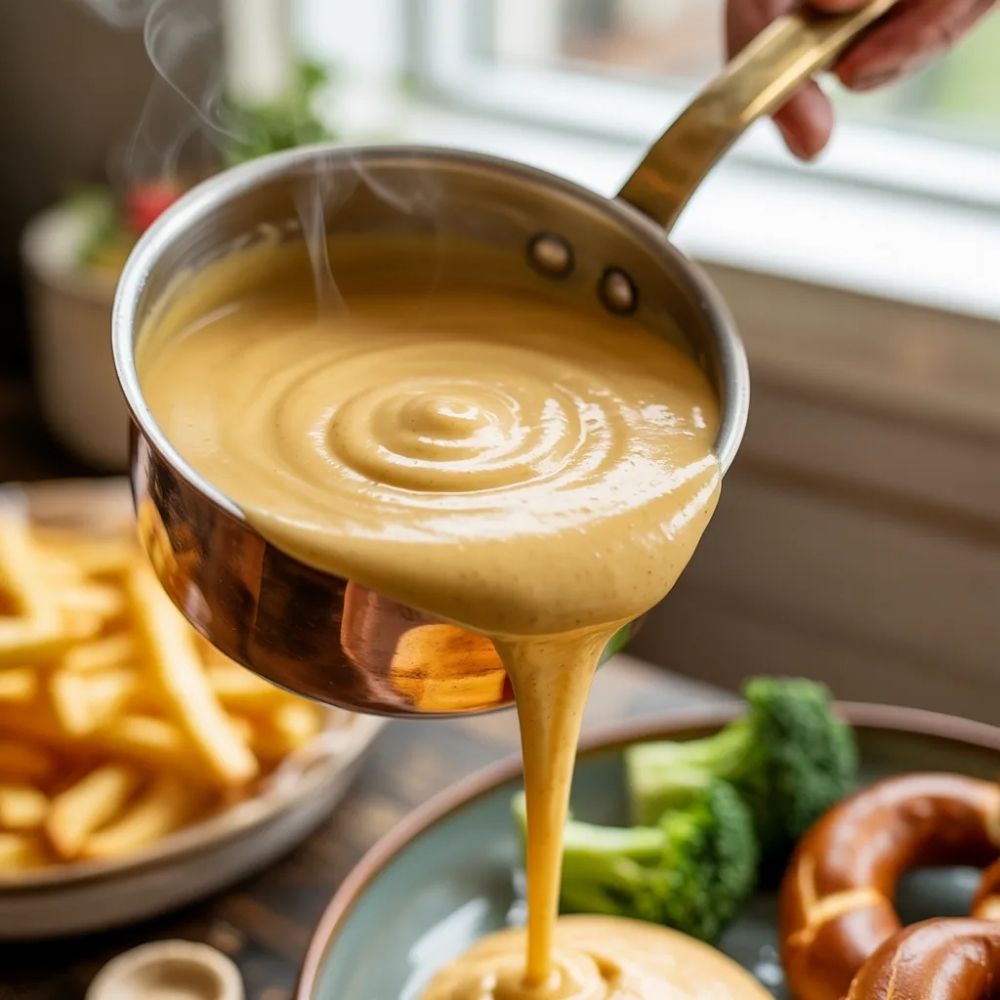
When it comes to Northern Italian culinary masterpieces, few dishes match the luxurious, velvety elegance of a perfectly executed risotto. Often misunderstood as a complex, high-stress restaurant luxury, a proper creamy risotto is actually a beautiful exercise in foundational pan mechanics.
It is a comforting, standalone canvas that can expand to feature premium seafood like lobster risotto, earthy updates like mushroom risotto, or a simple, vibrant saffron risotto.
Many home cooks shy away from making risotto because they dread the idea of standing over a stove for hours of continuous stirring. However, turning out a restaurant-quality bowl of rice doesn’t require culinary magic—it just requires understanding the physical properties of grain starch.
This comprehensive guide covers the chemistry of the all’onda (wave-like) texture, a foolproof recipe for how to make risotto, a nutrient profile, and an essential troubleshooting FAQ section.
The Science of the “All’onda” Texture: Amylose vs. Amylopectin
The defining characteristic of an authentic italian risotto is its smooth, creamy sauce. It is vital to note that this creaminess does not come from heavy cream, milk, or cream cheese. Instead, it is created entirely by extracting water-soluble starches from the grains of rice during the cooking process.
To achieve this texture, you must select the correct risotto rice type. Standard long-grain white rice or jasmine rice will not work; they contain high amounts of amylose, a straight-chain starch that keeps grains firm and separate.
Instead, look for high-starch, short-to-medium grain Italian varieties like Arborio, Carnaroli, or Vialone Nano. These specific grains are packed with amylopectin, a branched-chain starch that dissolves easily when exposed to hot liquids.
When you cook risotto rice using the traditional method, you introduce hot stock in small, sequential ladlefuls while stirring frequently. This mechanical stirring rubs the rice grains against one another, gently scraping the softened amylopectin off the outer layers of the grain. The starch dissolves into the simmering stock, turning the liquid into a thick, velvety sauce that binds the rice together while keeping the center of each grain perfectly al dente.
Required Equipment and Ingredient Selection
To successfully manage your starch extraction without scorching your food, your tools and raw materials must follow precise parameters.
Essential Equipment
A Wide, Straight-Sided Sauté Pan or Dutch Oven: Provides a large surface area so the rice grains can spread out and heat evenly, while keeping the liquid deep enough to submerge the grains.
A Dedicated Stockpot: Positioned on an adjacent burner to keep your broth at a steady, rolling simmer. Adding cold stock to hot rice will shock the grains, stopping the cooking process and sealing the starches inside.
A Flat-Edged Wooden Spoon or Silicone Spatula: Essential for continuously scraping across the flat bottom of your pan to prevent the starch layer from sticking and burning.
The Ingredients Checklist
The Grains: Choose a premium variety, such as Carnaroli or standard arborio rice.
The Liquid Matrix: A high-quality, low-sodium chicken, beef, or vegetable stock. Because the stock reduces significantly during the simmer, using a full-sodium broth will make the final dish aggressively salty.
The Acid: A crisp, completely dry white wine, such as Pinot Grigio or Sauvignon Blanc. The natural acidity cuts through the heavy starches, balancing the flavor profile.
The Dairy Finish (Mantecatura): Cold, cubed unsalted butter and finely grated Parmigiano-Reggiano cheese.
Step-by-Step Classic Parmesan Risotto Base Recipe
Follow this foundational technique to learn how to cook arborio rice into a flawless, glossy masterpiece in under thirty minutes.
Ingredients
-
1.5 Cups Arborio Rice (or Carnaroli)
-
5 Cups Low-Sodium Chicken or Vegetable Stock
-
1 Small Yellow Onion or Shallot: Finely minced.
-
1/2 Cup Dry White Wine
-
4 Tablespoons Unsalted Butter: Cut into cold cubes.
-
1/2 Cup Parmigiano-Reggiano Cheese: Finely grated on a microplane.
-
2 Tablespoons Extra Virgin Olive Oil
-
Kosher Salt & Fresh Black Pepper to taste.
Step-by-Step Instructions:
Pour your stock into a medium saucepan over medium-high heat. Bring it to a boil, then reduce the heat to low to maintain a gentle, rolling simmer. Keep this pan on the burner right next to your cooking pan.
Place your large, straight-sided sauté pan over medium heat. Add the olive oil and 1 tablespoon of your butter. Drop in your minced onions and sauté for 2 to 3 minutes until they are soft and translucent. Do not let them brown, as charred onions will discolor the final rice matrix.
Dump the dry arborio rice directly into the pan with the onions. Stir continuously for 2 minutes to coat the grains in the warm fats. This toasting process (tostatura) creates a thin barrier of fat around each grain, which prevents the rice from absorbing liquid too quickly and turning into mush. You will know it is ready when the edges of the grains look translucent while the centers remain chalky white.
Pour the dry white wine into the pan to deglaze it. The liquid will steam and bubble vigorously. Stir constantly for 1 to 2 minutes until the rice completely absorbs the wine and the smell of raw alcohol dissipates.
The Sequential Reduction Phase: Reduce your stove heat to medium-low. Add exactly one large ladleful (about 1/2 cup) of your hot simmering stock to the rice. Stir the pan frequently. Allow the liquid to simmer gently until it is almost entirely absorbed by the grains.
Once you can draw your wooden spoon through the center of the pan and leave a clean trail that doesn’t immediately flood with liquid, add your next ladle of hot stock. Repeat this process for 18 to 22 minutes. You do not need to stir frantically without stopping; simply stir every 30 to 45 seconds to keep the grains moving and releasing starch.
Taste the grains around the 18-minute mark. The parmesan risotto is finished cooking when the rice is tender but retains a distinct, firm bite in the very center (al dente). You may have a splash of stock left over; do not force the rice to absorb liquid it doesn’t need. The final consistency should look slightly loose and soupy—never stiff or sticky.
The Mantecatura Step: Remove the pan from the heat source completely. Add the remaining 3 tablespoons of cold, cubed butter and your grated cheese. Shake the pan vigorously forward and backward while stirring rapidly with your wooden spoon. This introduces air into the dish, instantly emulsifying the cold dairy fats with the starchy rice liquid to create a glossy finish. Season with salt and black pepper, slide onto flat plates, and serve immediately.
Flavor Modifications and Global Adaptations
Once you master the foundational technique of cooking risotto rice, you can easily pivot this recipe into several classic Italian adaptations.
Variant 1: Decadent Wild Mushroom Risotto
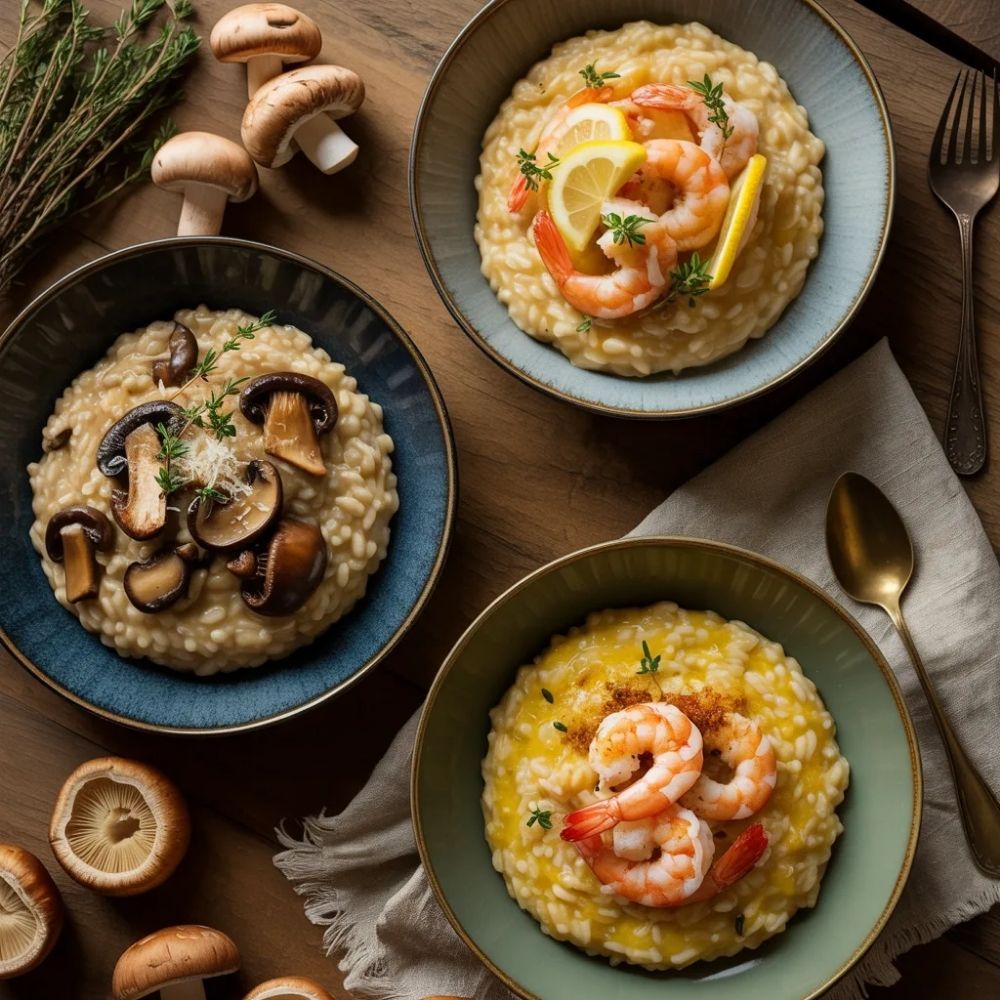
To create a rich mushroom risotto creamy style, rehydrate 1/2 cup of dried porcini mushrooms in hot water, and slice 1 cup of fresh cremini mushrooms. Sauté the fresh mushrooms with a sprig of thyme in a separate skillet until browned, then fold them into your pot during the last 5 minutes of cooking. Use the strained porcini soaking water as part of your simmering stock matrix to infuse the grains with a deep flavor profile.
Variant 2: Bright Shrimp and Lemon Risotto
To build a beautiful shrimp risotto, sauté peeled raw shrimp in olive oil and minced garlic for 2 minutes until pink, then set them aside. Execute your standard rice reduction, stirring in fresh lemon zest and 2 tablespoons of fresh lemon juice during the final step. Fold the cooked seafood back into the pan right alongside your butter and cheese to create a stunning risotto and shrimp dinner.
Variant 3: Traditional Risotto alla Milanese
To execute the iconic saffron risotto of Milan, crumble a generous pinch of high-quality saffron threads into your first cup of warm chicken or beef stock, letting it steep until the liquid turns a deep amber-gold. Pour this saffron liquid into your toasted rice as your very first reduction ladle. The grains will absorb the spice deeply, resulting in a vibrant golden color and a complex aroma that pairs perfectly with osso buco.
Nutritional Breakdown
A standard 1-cup serving of home-cooked, starch-emulsified parmesan cheese risotto provides a dense supply of energy-yielding carbohydrates, dairy proteins, and key essential minerals.
-
Total Energy Output: 340 Calories (kcal)
-
Total Carbohydrates: 48 grams
-
Dietary Fiber: 1.5 grams
-
Sugars: 1 gram
-
-
Protein Content: 7 grams (derived naturally from real cheese and arborio rice)
-
Total Lipid Fat: 12 grams
-
Saturated Fat: 7 grams (derived from real butter and cheese fats)
-
Monounsaturated Fat: 3.5 grams
-
-
Sodium Matrix: 410 mg (highly adjustable depending on the salt density of your chosen stock)
-
Key Micronutrients: Exceptional concentrations of Calcium, Phosphorus, Iron, Zinc, and Vitamin A.
Frequently Asked Questions (FAQ)
What is the structural difference between Arborio and Carnaroli rice?
While arborio rice is the most widely available option in global grocery stores, Carnaroli is highly praised by professional Italian chefs as the “king of risotto rice.” Carnaroli grains feature a slightly higher amylose content and a larger size, making them much more resistant to overcooking.
Arborio rice has a narrower window of perfection and can quickly turn mushy if left on the heat for even an extra minute, whereas Carnaroli maintains its al dente core while releasing an incredibly dense starch matrix.
Why does my risotto look stiff, clumpy, and dry on the plate?
If your rice holds its shape like a mound of mashed potatoes, it is overcooked and dry. Authentic Italian risotto should feature a texture called all’onda, meaning “against the wave.” When you slide the rice onto a flat plate, it should spread out into a smooth, level layer on its own.
If you tilt the plate, the rice should flow smoothly like slow-moving lava. To fix a stiff pan right before serving, simply stir in an extra splash of hot stock or boiling water with your butter and cheese to loosen the starches.
Can I skip the white wine step when making this dish?
The white wine step is not strictly mandatory for cooking the grains, but it is highly recommended for balanced flavor. The natural acidity of a dry white wine cuts through the heavy starches and fats, brightening the overall taste profile.
If you prefer to cook completely without alcohol, you can easily substitute the wine with an equal amount of chicken stock mixed with 1 teaspoon of fresh lemon juice or white wine vinegar to provide that essential touch of brightness.
Can I make a high-speed version using an Instant Pot or pressure cooker?
Yes, you can absolutely create an instant pot mushroom risotto or standard base if you are short on weeknight time. To do this, use the sauté function to cook your aromatics and toast your grains.
Pour in 3 cups of room-temperature stock all at once for every 1 cup of rice, lock the pressure cooker lid, and cook on high pressure for exactly 6 minutes. Manually release the steam immediately, open the lid, and stir vigorously for 2 minutes with your cold butter and cheese to rapidly draw out the remaining surface starches.
What should I do with a large batch of leftover cold risotto?
You should never try to reheat leftover risotto on the stove to serve it as a side dish again; the grains will absorb all the remaining moisture, turning into a thick paste. Instead, use your cold leftovers to make traditional Sicilian street food called Arancini (Fried Rice Balls).
Roll the chilled, solid rice into small balls around a cube of fresh mozzarella, dredge them in flour, beaten egg, and panko breadcrumbs, and deep-fry them for 4 minutes until golden-brown and crispy.
Risotto Recipe
Print ThisIngredients
- 1.5 Cups Arborio Rice (or Carnaroli)
- 5 Cups Low-Sodium Chicken or Vegetable Stock
- 1 Small Yellow Onion or Shallot: Finely minced.
- 1/2 Cup Dry White Wine
- 4 Tablespoons Unsalted Butter: Cut into cold cubes.
- 1/2 Cup Parmigiano-Reggiano Cheese: Finely grated on a microplane.
- 2 Tablespoons Extra Virgin Olive Oil
- Kosher Salt & Fresh Black Pepper to taste.
Instructions
Pour your stock into a medium saucepan over medium-high heat. Bring it to a boil, then reduce the heat to low to maintain a gentle, rolling simmer. Keep this pan on the burner right next to your cooking pan.
Place your large, straight-sided sauté pan over medium heat. Add the olive oil and 1 tablespoon of your butter. Drop in your minced onions and sauté for 2 to 3 minutes until they are soft and translucent.
Dump the dry arborio rice directly into the pan with the onions. Stir continuously for 2 minutes to coat the grains in the warm fats.
Pour the dry white wine into the pan to deglaze it. The liquid will steam and bubble vigorously. Stir constantly for 1 to 2 minutes until the rice completely absorbs the wine and the smell of raw alcohol dissipates.
The Sequential Reduction Phase: Reduce your stove heat to medium-low. Add exactly one large ladleful (about 1/2 cup) of your hot simmering stock to the rice. Stir the pan frequently.
Once you can draw your wooden spoon through the center of the pan and leave a clean trail that doesn’t immediately flood with liquid, add your next ladle of hot stock. Repeat this process for 18 to 22 minutes.
Taste the grains around the 18-minute mark. The parmesan risotto is finished cooking when the rice is tender but retains a distinct, firm bite in the very center (al dente).
The Mantecatura Step: Remove the pan from the heat source completely. Add the remaining 3 tablespoons of cold, cubed butter and your grated cheese. Shake the pan vigorously forward and backward while stirring rapidly with your wooden spoon. Season with salt and black pepper, slide onto flat plates, and serve immediately.