Integrating natural herbal infusions into your daily wellness routine is an excellent way to support long-term health, and few remedies are as globally revered as ginger tea. Cultivated for thousands of years across Asia and the Mediterranean, a hot cup of real ginger tea is much more than a comforting evening ritual. It serves as a potent, bioavailable extraction of volatile oils and pungent compounds housed within the rhizome of the Zingiber officinale plant.
While commercial tea bags containing dried ginger dust are readily available, they lack the vibrant potency and essential oils found in raw ginger tea. Learning how to make ginger tea from scratch using the raw root unlocks a remarkably crisp, spicy, and warming flavor profile.
This comprehensive guide covers the precise biological mechanisms of the ginger root, a foolproof steeping method, a detailed nutritional assessment, and an essential FAQ section to address your pressing health queries.
The Bioactive Chemistry of Ginger Root Tea
To understand why you should drink ginger tea for therapeutic purposes, it helps to examine the underlying plant pharmacology. The primary bioactive molecules responsible for both the sharp, pungent flavor profile and the medicinal efficacy of a fresh ginger root tea are gingerols and shogaols.
When the root is in its raw, unheated state, it is heavily saturated with gingerols. Gingerols possess documented anti-inflammatory properties that function by inhibiting pro-inflammatory cytokines and suppressing the cyclooxygenase (COX-2) enzymatic pathway, mimicking the molecular mechanism of common over-the-counter anti-inflammatory medications.
When you introduce heat by learning how to brew ginger tea or how to cook ginger tea, these gingerols undergo a thermal dehydration process, converting into shogaols. Shogaols are significantly more pungent and possess an even higher antioxidant capacity. This thermal chemical shift explains why a hot, boiled decoction of ginger tea from fresh ginger is dramatically more effective at soothing internal systems than consuming cold, raw ginger slices.
Essential Ingredient Prep: Slicing vs. Grating
Before learning how to make fresh ginger tea, you must prepare the root to maximize the extraction of its essential oils into the water matrix.
The Slicing Method (Clear and Spicy): Wash the root thoroughly. You do not need to peel the skin if utilizing organic ginger, as the skin contains a high density of minerals. Slice the rhizome into paper-thin coins. This maximizes the exposed surface area of the plant cells, allowing the hot water to wash out the gingerols effortlessly.
The Grating Method (Intense and Cloudy): Grating the root using a microplane or box grater completely ruptures the plant’s cell walls. This releases the internal fibrous juices directly into your pot, yielding a cloudy, highly concentrated, and intensely fiery brew. This method is highly recommended if you are preparing ginger tea for sore throat or ginger tea for cough relief.
Step-by-Step Homemade Ginger Tea Recipe
Follow this foundational culinary decoction method to understand exactly how to make ginger tea from fresh ginger to achieve maximum therapeutic potency.
Ingredients
-
2 Inches of Fresh Ginger Root: Threshed, washed, and sliced thin.
-
4 Cups of Filtered Water
-
1 Tablespoon Raw Honey: Optional, for soothing the throat.
-
1/2 Fresh Lemon: Juiced, to introduce vibrant acidity.
Step-by-Step Instructions:
Place your sliced or grated ginger root directly into a small stainless steel saucepan or ceramic pot. Avoid using unlined aluminum cookware, as the intense antioxidants can react with the metal.
Pour 4 cups of filtered water directly over the ginger layer, ensuring the pieces are fully submerged.
Place the pan over high heat on your stovetop and bring the liquid to a rolling boil.
The moment boiling is achieved, turn the stove heat down to its lowest setting. Cover the pan tightly with a lid to prevent the volatile essential oils from escaping into your kitchen through the steam.
Allow the mixture to simmer gently for 15 to 20 minutes. If you prefer a highly concentrated, sinus-clearing brew, extend the simmer time to 30 minutes. This process is known botanically as a decoction, and it answers exactly how do i prepare ginger tea and how to make a ginger root tea.
Remove the pot from the heat. Pour the liquid through a fine-mesh strainer directly into your favorite mug, discarding the spent fibrous root pieces.
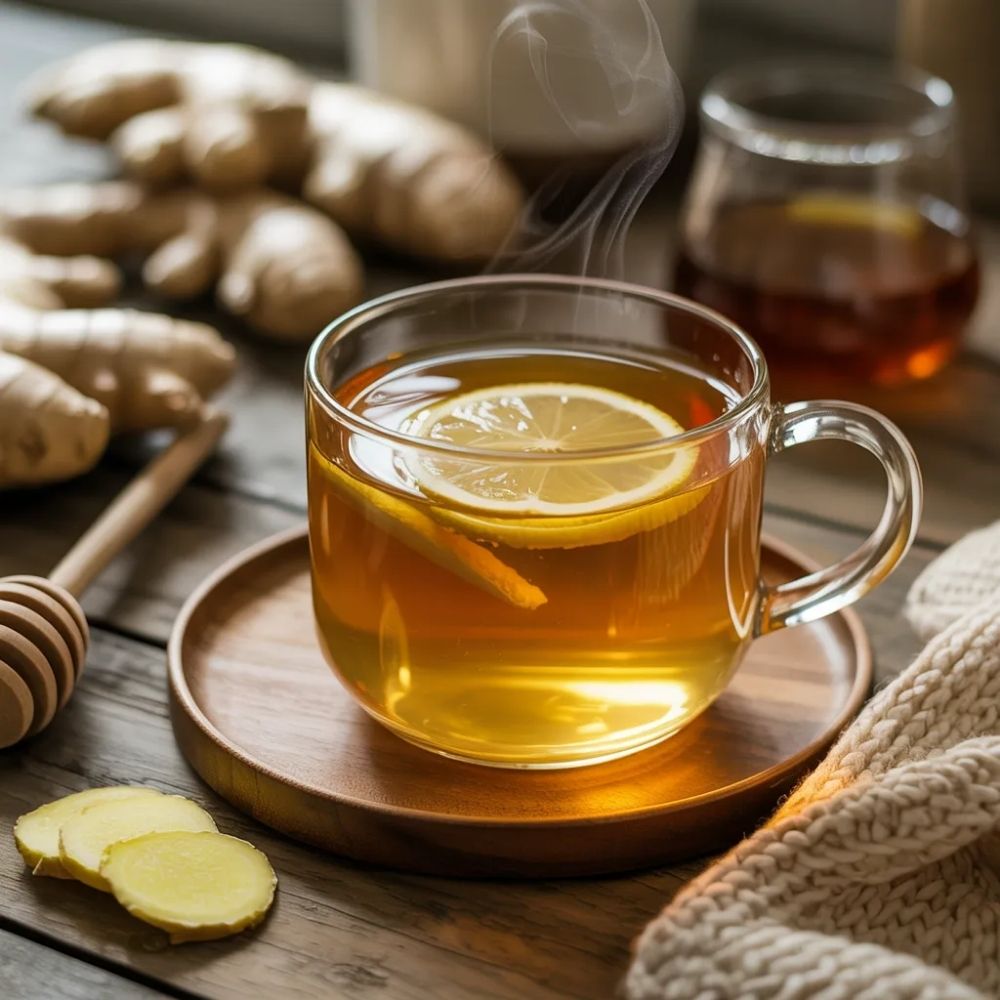
Allow the tea to cool slightly for 2 minutes, then stir in your fresh lemon juice and raw honey to create a classic ginger lemon honey tea. Serving it slightly cool preserves the live enzymes present in the raw honey.
Nutritional Breakdown
A pure, un-sweetened homemade ginger tea brewed exclusively from water and raw ginger root yields an exceptionally clean, low-calorie nutritional profile. A standard 8-ounce mug contains approximately the following values:
-
Total Energy Output: 4 Calories (kcal) (increases to roughly 64 calories if adding 1 tablespoon of raw honey)
-
Carbohydrates: 1 gram
-
Dietary Fiber: 0 grams
-
Sugars: 0 grams
-
-
Protein Content: 0 grams
-
Total Lipid Fat: 0 grams
-
Sodium Matrix: 0 mg
-
Key Bioactive Elements: Highly concentrated with potassium, manganese, magnesium, Vitamin C, gingerols, shogaols, and zingerone.
Frequently Asked Questions (FAQ)
Is ginger tea considered a good herbal tea for nausea?
Yes, ginger tea is widely recognized by clinical research as the definitive best tea for nausea. The active gingerols function as a potent herbal tea for nausea by blocking serotonin receptors in the gut tract and directly modulating the vagus nerve signaling to the brain’s vomiting center. It accelerates gastric emptying, helping to dissipate the physical sensation of motion sickness, morning sickness, or general digestive upset.
What are the clinical guidelines surrounding ginger and pregnancy?
When discussing ginger for pregnancy, extensive clinical trials show that moderate consumption of real ginger tea is highly effective and completely safe for minimizing morning sickness in pregnant individuals. However, because high doses can potentially influence maternal systems, medical guidelines recommend that ginger for pregnant women be limited to a maximum of 1,000 mg of raw ginger extract per day.
This equates to roughly 2 to 3 standard mugs of homemade tea. Always consult with your primary obstetrician before utilizing any daily herbal remedies during gestation to verify that ginger good for pregnant parameters fit your personal health history.
Can drinking ginger root tea affect my blood pressure?
There is a distinct biochemical relationship between ginger and blood pressure. Clinical studies indicate that the active components in ginger can act as a mild, natural calcium channel blocker and vasodilator, relaxing the smooth muscle walls of your blood vessels.
While this means ginger blood pressure interactions generally support a gentle lowering of systemic pressure, individuals who are currently taking prescription blood pressure medications or anticoagulants (blood thinners) should monitor their intake carefully, as ginger root and blood pressure therapies combined can occasionally cause a compounding effect.
How does ginger tea for cramps and menstrual cycles work?
Utilizing ginger tea for menstrual cramps or ginger tea for cramps is backed by substantial scientific validation. Menstrual pain is driven by the overproduction of prostaglandins, chemicals that cause the uterine muscles to contract painfully.
The shogaols and gingerols contained within a warm mug of ginger and tea function as natural anti-prostaglandins, lowering systemic inflammation and relaxing smooth muscle tissue to mitigate the severity of monthly pelvic pain.
Should I peel the skin when figuring out how to make ginger tea with ginger root?
You do not need to peel the skin when mastering how to make ginger tea with ginger roots, provided you wash the exterior thoroughly with a stiff vegetable brush to remove any lingering soil particles. The skin of the rhizome is completely edible and contains a high density of beneficial minerals. Leaving the skin intact simplifies the prep process, making your fresh ginger tea routine incredibly fast and efficient.
Ginger Tea
Print ThisIngredients
- 2 Inches of Fresh Ginger Root: Threshed, washed, and sliced thin.
- 4 Cups of Filtered Water
- 1 Tablespoon Raw Honey: Optional, for soothing the throat.
- 1/2 Fresh Lemon: Juiced, to introduce vibrant acidity.
Instructions
Place your sliced or grated ginger root directly into a small stainless steel saucepan or ceramic pot. Avoid using unlined aluminum cookware, as the intense antioxidants can react with the metal.
Pour 4 cups of filtered water directly over the ginger layer, ensuring the pieces are fully submerged.
Place the pan over high heat on your stovetop and bring the liquid to a rolling boil.
The moment boiling is achieved, turn the stove heat down to its lowest setting. Cover the pan tightly with a lid to prevent the volatile essential oils from escaping into your kitchen through the steam.
Allow the mixture to simmer gently for 15 to 20 minutes. If you prefer a highly concentrated, sinus-clearing brew, extend the simmer time to 30 minutes. This process is known botanically as a decoction, and it answers exactly how do i prepare ginger tea and how to make a ginger root tea.
Remove the pot from the heat. Pour the liquid through a fine-mesh strainer directly into your favorite mug, discarding the spent fibrous root pieces.
Allow the tea to cool slightly for 2 minutes, then stir in your fresh lemon juice and raw honey to create a classic ginger lemon honey tea. Serving it slightly cool preserves the live enzymes present in the raw honey.