
Kimchi, the iconic Korean fermented dish, brings together bold flavors, crunchy textures, and vibrant colors. Known for its health benefits, it is a staple in many households and an exciting culinary project for adventurous home cooks.
Fermenting kimchi allows the natural probiotics to develop, enriching both the taste and nutritional value. This recipe provides a clear, step-by-step guide to making authentic kimchi from scratch, perfect for health-conscious readers and casual home chefs.
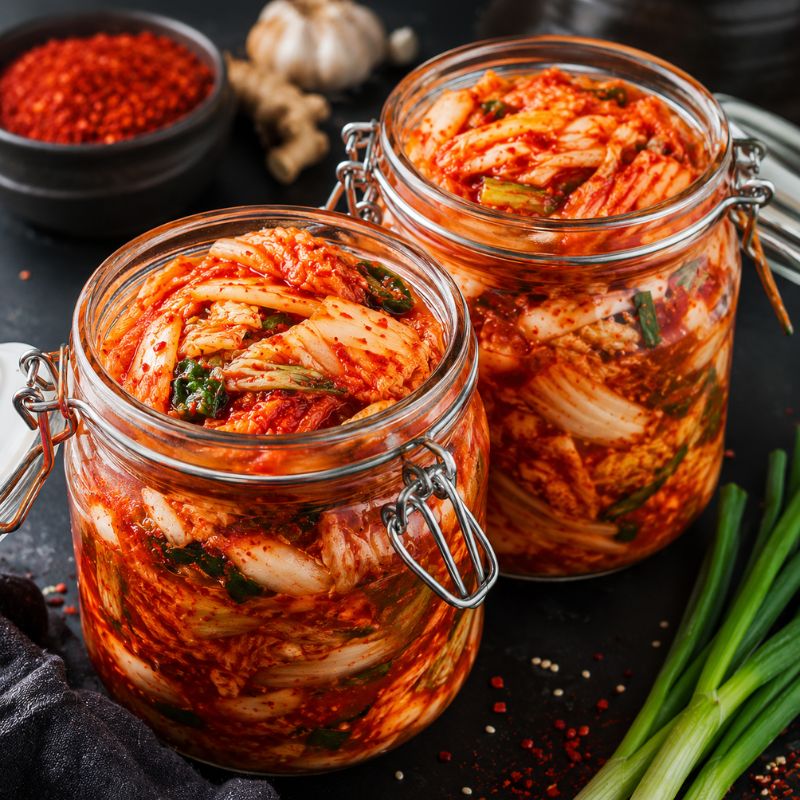
Short Description
A classic Korean dish combining crisp napa cabbage, spicy red pepper, and aromatic seasonings, fermented to perfection for a tangy, savory flavor.
Key Ingredients
For the cabbage:
- 1 medium napa cabbage
- ½ cup salt
- 2 cups water
For the seasoning paste:
- 5 cloves garlic, minced
- 1-inch piece ginger, grated
- 3 tablespoons Korean red pepper flakes (gochugaru)
- 2 tablespoons fish sauce
- 1 tablespoon sugar
- 3 green onions, chopped
- 1 medium carrot, julienned
- 1 daikon radish, julienned
Tools Needed:
- Large mixing bowl
- Knife
- Cutting board
- Glass jar or airtight container
- Spoon or spatula
Cooking Instructions
Step 1: Prepare the cabbage
Slice the napa cabbage lengthwise into quarters and remove the core. Dissolve ½ cup salt in 2 cups water and pour over the cabbage leaves. Gently massage until the leaves soften. Let the cabbage sit for 2 hours, turning occasionally to ensure even salting.
Step 2: Rinse and drain
Rinse the cabbage thoroughly under cold water to remove excess salt. Drain well and set aside to remove additional moisture.
Step 3: Make the seasoning paste
Combine minced garlic, grated ginger, Korean red pepper flakes, fish sauce, and sugar in a bowl. Mix until a uniform paste forms. Add chopped green onions, julienned carrot, and daikon radish, stirring until fully incorporated.
Step 4: Coat the cabbage
Gently rub the seasoning paste onto each cabbage leaf, ensuring every layer is evenly covered. Wear gloves if needed to avoid irritation from the chili flakes.
Step 5: Pack into a jar
Carefully fold the seasoned cabbage and place it into a glass jar or airtight container. Press down to remove air pockets. Leave about 1 inch of space at the top to allow fermentation gases to escape.
Step 6: Ferment
Seal the jar and leave it at room temperature for 1–2 days to start the fermentation. You should see bubbles forming, indicating active fermentation. Transfer to the refrigerator after initial fermentation. Kimchi will continue to develop flavor over the next week.
Why You’ll Love This Recipe
Classic authentic flavors with a perfect balance of spice, salt, and tang
Easy-to-follow steps suitable for beginner and experienced cooks
Rich in probiotics for digestive health
Versatile as a side dish or ingredient in soups, fried rice, and pancakes
Mistakes to Avoid & Solutions
Over-salting: Use precise measurements and rinse thoroughly to avoid overly salty kimchi.
Uneven coating: Ensure every leaf is well-coated with the seasoning paste.
Improper fermentation temperature: Keep at room temperature for initial fermentation, then refrigerate.
Using metal containers: Always use glass or food-safe plastic to avoid reactions with acids.
Serving and Pairing Suggestions
Serve kimchi as a side dish with rice, noodles, or grilled meats. It can be chopped and added to omelets, pancakes, or fried rice for extra flavor. Serve chilled or at room temperature according to preference.
Storage and Reheating Tips
Store kimchi in an airtight glass container in the refrigerator. It can last up to 3–4 weeks, continuing to ferment slowly. Use clean utensils to avoid contamination. No reheating is necessary, but it can be added to soups or stir-fries for warmth.
FAQs
1. Can kimchi be made without fish sauce?
Yes, substitute with soy sauce or miso paste for a vegetarian version, though flavor will be slightly different.
2. How long does kimchi take to ferment fully?
Initial fermentation occurs in 1–2 days at room temperature, but flavor develops over a week in the refrigerator.
3. Can I use other vegetables?
Yes, napa cabbage is traditional, but bok choy, kale, or cucumber can also be used with adjusted seasoning.
4. Why is my kimchi too sour?
Over-fermentation at warm temperatures can increase acidity. Refrigeration slows fermentation and balances flavor.
5. Is kimchi healthy?
Kimchi is rich in probiotics, vitamins, and antioxidants, promoting digestive health and overall well-being.
Tips & Tricks
Massage cabbage gently to avoid bruising.
Wear gloves when handling chili paste to prevent skin irritation.
Use clean jars and utensils to prevent unwanted bacteria.
Taste periodically to gauge preferred level of fermentation.
Recipe Variations
Mild kimchi: Reduce Korean red pepper flakes to 1 tablespoon for less heat.
Extra spicy kimchi: Add 1 teaspoon of chili powder for an intense kick.
Seafood kimchi: Add ½ cup chopped fermented shrimp for added umami.
Quick kimchi: Skip initial 2-hour salting and ferment only 24 hours; flavor will be lighter.
Conclusion
This kimchi recipe captures the authentic taste and crunch of classic Korean cuisine. It’s not just a side dish but a culinary experience that balances spice, tang, and savoriness.
Following the detailed steps ensures consistent results and a vibrant, probiotic-rich dish. Versatile and flavorful, kimchi can enhance many meals, from simple rice dishes to elaborate soups. Proper storage extends its shelf life while allowing flavors to deepen.
Adjust spices and fermentation time to match personal preferences. Each bite offers a sensory experience, from the crunch of cabbage to the complex umami of fermented seasonings. This recipe encourages experimentation, making it a perfect addition to any home cook’s repertoire.
Homemade Kimchi

Ingredients
- 1 medium napa cabbage
- ½ cup salt
- 2 cups water
- 5 cloves garlic
- 1-inch piece ginger
- 3 tbsp Korean red pepper flakes (gochugaru)
- 2 tbsp fish sauce
- 1 tbsp sugar
- 3 green onions chopped
- 1 medium carrot julienned
Instructions
- Slice the napa cabbage lengthwise into quarters and remove the core. Dissolve ½ cup salt in 2 cups water and pour over the cabbage leaves. Gently massage until the leaves soften. Let the cabbage sit for 2 hours, turning occasionally to ensure even salting.
- Rinse the cabbage thoroughly under cold water to remove excess salt. Drain well and set aside to remove additional moisture.
- Combine minced garlic, grated ginger, Korean red pepper flakes, fish sauce, and sugar in a bowl. Mix until a uniform paste forms. Add chopped green onions, julienned carrot, and daikon radish, stirring until fully incorporated.
- Gently rub the seasoning paste onto each cabbage leaf, ensuring every layer is evenly covered. Wear gloves if needed to avoid irritation from the chili flakes.
- Carefully fold the seasoned cabbage and place it into a glass jar or airtight container. Press down to remove air pockets. Leave about 1 inch of space at the top to allow fermentation gases to escape.
- Seal the jar and leave it at room temperature for 1–2 days to start the fermentation. You should see bubbles forming, indicating active fermentation. Transfer to the refrigerator after initial fermentation. Kimchi will continue to develop flavor over the next week.